Modern infrastructure depends on systems that most people rarely see, yet rely on every day. Among these essential components is the lift station, a critical part of wastewater management that ensures communities remain safe, sanitary, and environmentally responsible. Without it, many areas would struggle to move wastewater efficiently, leading to serious public health and environmental challenges. These systems often operate out of sight, yet their impact is felt in nearly every aspect of daily life. From residential neighborhoods to commercial developments, their reliability helps maintain the seamless operation of essential services.
Supporting Reliable Wastewater Movement
At its core, lift stations enable wastewater to travel where gravity alone cannot take it. In regions with uneven terrain or where sewer lines run below treatment facilities, pumping systems are necessary to move waste upward so it can continue through the system. This function keeps wastewater flowing consistently, preventing backups that could disrupt homes, businesses, and public spaces.
Reliable wastewater movement is especially important in growing communities. As populations increase, so does the volume of water that must be managed daily. Properly designed and maintained lift stations help accommodate this demand without overwhelming the system. It ensures that wastewater reaches treatment facilities efficiently, reducing the risk of overflows that could contaminate streets, waterways, and groundwater supplies.
In addition to supporting capacity, these systems also contribute to operational efficiency. By maintaining steady flow rates, they help treatment plants operate within optimal parameters. This consistency reduces strain on downstream infrastructure, lowering the likelihood of costly repairs or emergency interventions.
Protecting Public Health and the Environment
One of the most important roles of a lift station is safeguarding public health. When wastewater systems fail, the consequences can be immediate and severe. Untreated sewage exposure can introduce harmful bacteria and pathogens into the environment, posing risks to both people and wildlife. Properly functioning pumping systems help prevent these situations by keeping wastewater contained and moving as intended.
Environmental protection is closely tied to this function. Overflow events can lead to pollution in rivers, lakes, and soil, disrupting ecosystems and harming aquatic life. By ensuring that wastewater is transported to treatment facilities without interruption, these systems play a direct role in reducing contamination and preserving natural resources.
Regulatory compliance is another factor that underscores their importance. Municipalities and property owners must adhere to strict environmental standards. Well-maintained lift stations help meet these requirements by minimizing the risk of discharge violations and maintaining consistent system performance. This not only protects the environment but also helps avoid fines, legal issues, and reputational damage.
Enabling Sustainable Community Growth
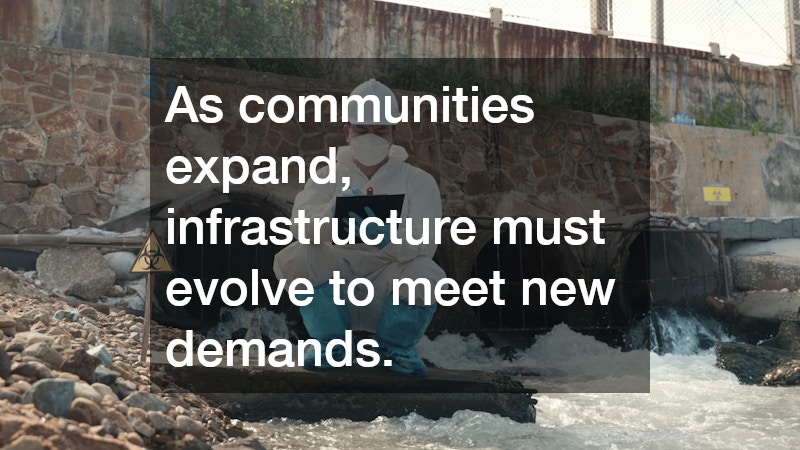
As communities expand, infrastructure must evolve to meet new demands. Lift stations support this growth by allowing development in areas that would otherwise be unsuitable for traditional gravity-based sewer systems. This flexibility opens the door for residential, commercial, and industrial projects in locations with challenging topography.
Sustainability also depends on long-term reliability. Modern systems are designed with advanced controls, monitoring capabilities, and energy-efficient components that improve performance while reducing operational costs. These innovations make it easier to detect issues early, optimize energy use, and extend the lifespan of critical equipment.
Investment in maintenance is key to sustaining these benefits. Routine inspections, timely repairs, and system upgrades ensure that the station continues to function effectively over time. Neglecting maintenance can lead to mechanical failures, increased energy consumption, and unexpected downtime, all of which can disrupt community operations and lead to higher costs in the long run.
Beyond technical performance, these systems contribute to the overall quality of life in modern communities. Residents and businesses depend on reliable wastewater services to maintain clean, functional environments. When infrastructure operates smoothly, it supports economic activity, public confidence, and community well-being.
A functioning lift station is far more than a behind-the-scenes utility. It is a vital component of modern infrastructure that supports efficient wastewater movement, protects public health, and enables sustainable growth. By ensuring that wastewater reaches treatment facilities safely and consistently, these systems help maintain the standards of cleanliness and environmental responsibility that communities depend on every day. Investing in their proper design, operation, and maintenance is not just a technical necessity but a commitment to the long-term health and success of the communities they serve. Ultimately, prioritizing the performance of this infrastructure helps ensure communities remain resilient, efficient, and prepared for future demands.