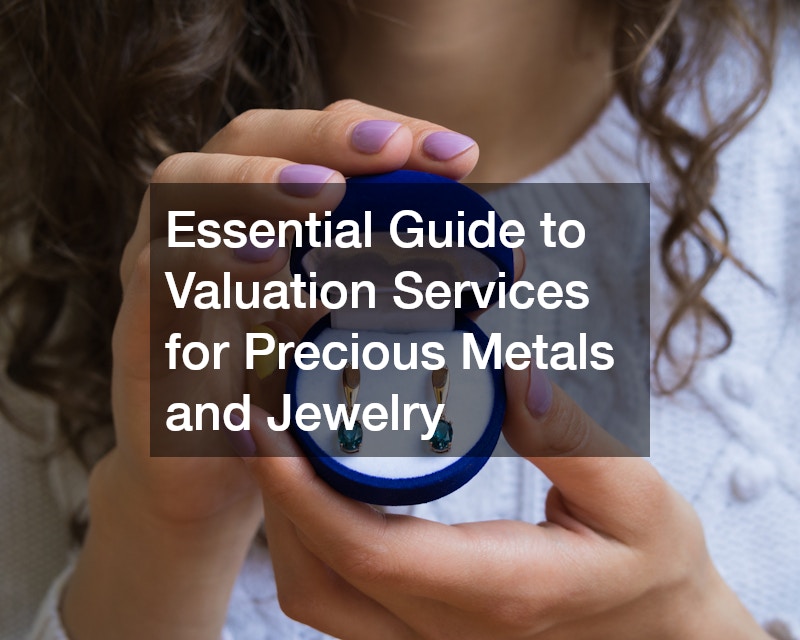
It is a common scenario that unfolds in households across the world: an inherited safety deposit box is opened, or a forgotten attic trunk is finally unlocked, revealing a treasure trove of family heirlooms, vintage watches, and heavy, tarnished metals. For many, these physical items carry immense emotional weight and represent decades of family history. However, there comes a time when these assets need to be distributed, insured, or liquidated. Navigating the transition from sentimental possession to financial asset is where many consumers encounter significant roadblocks.
The secondary market for hard assets is notoriously opaque. It is an industry steeped in confusing jargon, fluctuating daily global markets, and varying standards of professional conduct. Because of this lack of transparency, families often lose a substantial portion of their assets’ true worth during liquidation. They may accept the first offer they receive out of convenience or mistakenly assume that the retail price their grandparents paid equates to the current resale value. Without a clear understanding of how these items are evaluated, you are essentially flying blind in a highly competitive financial arena.
Securing an accurate, maximized valuation requires a strategic approach. It demands an understanding of the specific type of evaluation your situation requires, the ability to select the right credentialed professional for the job, and the knowledge of how to track live market data to protect your financial interests. This comprehensive guide will illuminate the valuation ecosystem from top to bottom. Whether you are dealing with a flawless diamond ring, a collection of historical currency, or scrap industrial materials, this blueprint will equip you with the knowledge to confidently secure the true worth of your tangible assets.
Section 1: Decoding Valuation Frameworks and Appraisal Standards
Before you let anyone examine your items, you must clearly define why you are having them evaluated in the first place. The purpose of the evaluation dictates the mathematical framework the professional will use, which drastically changes the final dollar amount printed on the report.
Request the Correct Appraisal Type for Your Specific Financial Goals
Not all valuations are created equal. The industry operates on three primary tiers of value, and mixing them up can lead to either inadequate insurance coverage or severe disappointment during a sale.
-
Insurance Replacement Value: This is the highest possible valuation tier. It represents the retail cost to replace an item with a brand-new equivalent in the current market. This number includes the manufacturer’s profit, the retail store’s markup, and current labor costs. It is strictly used to establish coverage limits for insurance policies.
-
Fair Market Value: This is the price at which the property would change hands between a willing buyer and a willing seller, with neither being under any compulsion to buy or sell. This is the standard required by the IRS for estate tax settlements and charitable donations. It represents what the item would likely sell for at a well-advertised auction, which is significantly lower than retail replacement.
-
Liquidating Value: This is the immediate cash value you can expect if you need to sell the item today. It is wholesale pricing, representing the raw materials and immediate demand, stripping away retail markups.
To navigate these tiers, working with credentialed jewelry appraisers is absolutely mandatory for any legal, tax, or insurance documentation. These professionals adhere to the Uniform Standards of Professional Appraisal Practice, ensuring your documents hold up in court or during an insurance claim dispute. Always check your insurance policy before scheduling an appointment; many providers now require formal laboratory grading reports for any stones exceeding a certain carat weight.
Gather Historical Records and Implement Safe Handling Protocols
The physical state of your item, combined with its documentation, heavily influences its initial evaluation. An evaluator is essentially a detective, and you must provide them with as much evidence as possible. Gather any original receipts, historical photographs showing the item being worn, previous evaluation documents, and original manufacturer boxes or certificates of authenticity. These provenance documents can add substantial premiums to vintage pieces.
Equally important is how you handle the items prior to the evaluation. A massive mistake consumers make is attempting to clean their items to make them look better for the evaluator. You must resist this urge completely. Improper cleaning can cause microscopic scratches on soft stones like opals or pearls, and chemical dips can ruin the structural integrity of vintage settings.
This rule is particularly absolute when preparing for coin appraisals. Never wipe, polish, or chemically dip vintage numismatic pieces. The natural oxidation and patina that develop on currency over decades are highly sought after by collectors. A polished piece of historical currency is considered “cleaned” and “damaged,” which instantly destroys up to 90% of its numismatic premium. Simply place the items in protective, PVC-free flips or hard plastic capsules and transport them securely to the evaluation office.
Section 2: Navigating Fine Jewelry and Gemstone Appraisals
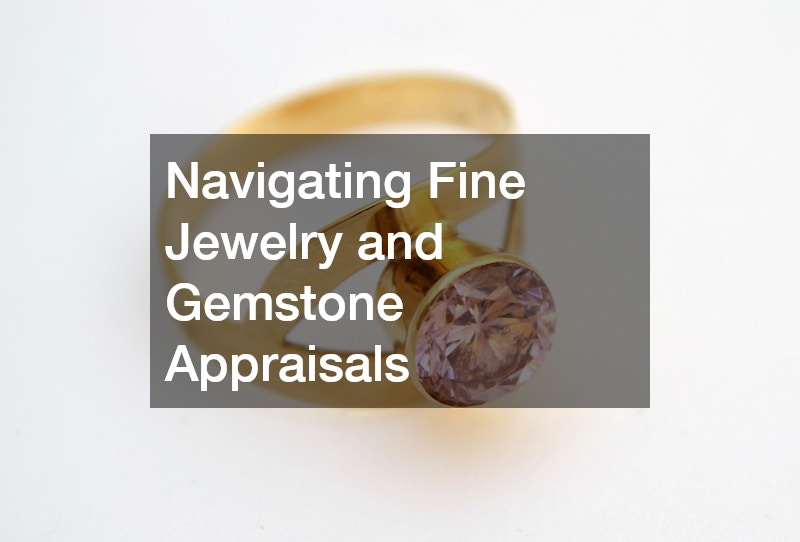
When dealing with diamonds, colored gemstones, and intricate metalwork, the evaluation process becomes highly subjective. You are not just dealing with the commodity value of the earth’s elements; you are dealing with artistry, brand recognition, and current fashion trends.
Verify Credentials and Cross-Reference Bench Experience
The jewelry industry is filled with salespeople, but a salesperson is not necessarily a qualified evaluator. You must verify the professional background of the person handling your items to ensure they possess the scientific knowledge required to accurately grade stones and identify antique fabrication methods.
Look for professionals holding prestigious designations, such as a Graduate Gemologist (GG) diploma from the Gemological Institute of America (GIA), or titles from the American Gem Society (AGS). These individuals have undergone rigorous testing in identifying synthetic stones, treatments, and microscopic inclusions.
Furthermore, if your collection includes items with intricate, hand-fabricated filigree, rare vintage settings, or bespoke avant-garde designs, standard retail evaluators might miss the mark. In these instances, consulting specialized custom jewelers can provide much deeper insight. These artisans understand the hundreds of hours of labor and the specialized techniques required to create complex pieces, allowing them to accurately value the artistry and craftsmanship that generic buyers completely overlook.
Distinguish Material Spot Price from Retail Craftsmanship Markups
One of the most difficult realities for consumers to accept is the vast gap between the retail purchase price of an item and its raw material melt value. When you buy a ring at a mall, you are paying for the marketing, the store’s overhead, the designer’s premium, and the raw materials. When you liquidate that same ring, the secondary market often only cares about the latter.
If you are dealing with volume-driven gold buyers, they operate on a strict commodity business model. They are evaluating the weight and purity of the metal to melt it down and refine it. They will typically pay nothing for the brand name, the artistic layout, or the small accent diamonds surrounding a center stone.
To protect yourself from lowball offers, you must understand how to calculate the intrinsic baseline value of your items. The formula for calculating the raw melt value of a gold item is based on its karat purity (which is a fraction of 24) and the live market spot price per troy ounce.
By understanding this fundamental math, you establish a hard floor for your item’s worth. If a buyer offers you a price that falls significantly below this calculated melt value, you immediately know to walk away.
Section 3: Maximizing Returns on Bullion and Rare Coins
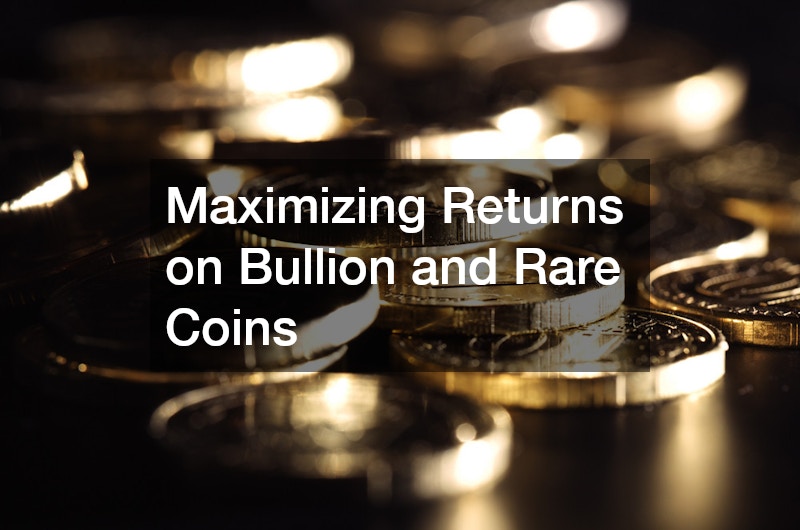
The world of historical currency and bullion investing is a distinct ecosystem separate from fine jewelry. Here, microscopic details, minting locations, and historical population reports dictate value, requiring a highly specialized approach to liquidation.
Analyze Rarity and Mint Marks Before Requesting a Quote
The value of a numismatic item is determined by a delicate trifecta: its state of preservation (grade), its mintage numbers (rarity), and the current collector demand. Two pieces struck in the exact same year can have a value difference of thousands of dollars based entirely on where they were minted.
Before presenting your items to any evaluator, take the time to inspect them under a loupe. You are looking for mint marks—small letters stamped onto the surface indicating the branch mint that produced it. For example, a common silver dollar minted in Philadelphia might be worth its raw silver content, but that same year’s dollar bearing an “S” for San Francisco or a “CC” for Carson City could be a highly sought-after rarity commanding a massive premium.
Because the numismatic market is highly regionalized and dependent on specific collector networks, building a relationship with trusted local coin dealers is highly recommended. These regional experts have a deep understanding of what local collectors are actively hunting for. They can often spot rare die varieties, double dies, or over-dates that a generic cash-for-metal business simply lacks the training to identify.
Secure Multiple Competitive Offers for Large Collections
When it comes time to liquidate a substantial collection, you must understand the mechanics of wholesale versus retail pricing. Dealers buy at wholesale prices so they can sell at retail prices to make a profit. Therefore, the first offer you receive should serve as a baseline, not a final conclusion.
To maximize your return, organization is your greatest asset. Create a detailed spreadsheet itemizing the year, country of origin, denomination, mint mark, and your estimated condition of each piece. Group common bullion items (like standard silver eagles or gold maple leafs) separately from historical, graded pieces.
With this organized inventory, pitch your collection to various national coin buyers as well as your local shops. National outfits often deal in massive volume and may offer tighter percentage margins over the current metal spot price for bulk bullion. Conversely, local shops might offer higher premiums for the rare, historical pieces they know they can flip quickly to their established client list. By leveraging these different markets against each other, you ensure you are extracting the maximum possible yield from your portfolio.
Section 4: Navigating Immediate Liquidation and Fast Cash Options

Sometimes, the luxury of waiting weeks for a specialized auction or a private buyer is simply not an option. When life events dictate the need for immediate liquidity, you must navigate the fast-cash ecosystem with extreme caution and armed with real-time data.
Track Live Global Spot Prices Prior to Negotiating An Offer
The prices of precious metals are not static; they are highly volatile commodities traded on global exchanges like the COMEX and the London Bullion Market Association (LBMA). The price fluctuates constantly throughout the trading day based on geopolitical events, inflation data, and currency strength. This means a quote given on a Monday morning could be drastically inaccurate by Tuesday afternoon.
If you are pursuing an immediate cash sale, you must utilize mobile market tracking apps or financial websites to monitor these global fixing prices in real-time. Do not rely on the buyer to tell you what the market is doing.
Equip yourself with exact negotiation phrases. Instead of asking, “How much will you give me for this?”, you should ask, “What percentage of today’s LBMA spot price are you currently paying for 18-karat material?” This instantly signals to the buyer that you are an educated consumer. By focusing the negotiation on the percentage payout rather than a flat dollar amount, you ensure you are locking in the absolute best price for gold relative to that specific day’s market high.
Audit Digital Payout Calculators and Remote Valuation Platforms
The modern era has introduced a plethora of quick-cash alternative outlets, ranging from local collateral lenders to mail-in refinery services. While these options offer unparalleled speed and convenience, they require rigorous vetting to avoid predatory margins.
Before stepping foot inside a physical collateral lending store, take the time to thoroughly review the outfit’s official pawn shop website. Reputable businesses will clearly post their loan-to-value percentages, their monthly interest fees, and their baseline buying policies for raw metals. If a company refuses to publish their standard operating margins online, it is a red flag indicating their in-store offers may be highly subjective and heavily weighted against the consumer.
If you opt for a remote, mail-in evaluation service, audit their security protocols meticulously. Ensure the company provides fully insured shipping containers that cover the estimated value of your items during transit. Furthermore, read the fine print regarding their payout process. The service must offer a strict, no-obligation return policy, guaranteeing that if their final cash offer fails to meet your expectations, your items will be shipped back to you securely at no cost.
Section 5: Valuing Scrap Base Metals and Industrial Materials
Not all valuable metals come in velvet boxes. A massive, often overlooked sector of asset valuation lies in industrial base metals. While these materials lack the glamour of diamonds or numismatics, accumulating and liquidating them properly can yield surprisingly substantial financial returns.
Isolate Industrial Non-Precious Commodities from Fine Bullion
Transitioning from the jeweler’s bench to the salvage yard requires a completely different mindset. With base metals, the value is not in rarity or craftsmanship; it is entirely in volume and purity. To maximize your payout, you must meticulously sort your materials before presenting them to a buyer.
The most lucrative of the common base metals is copper, but its value is heavily dependent on its grade. Educate yourself on how to differentiate the tiers. “Bare Bright” copper is the highest grade—it is clean, unalloyed, uncoated wire thicker than 16 gauge. It commands top dollar. #1 copper includes clean plumbing pipes free of solder or paint, while #2 copper includes pieces with light oxidation or minor solder joints. Lower-grade insulated wiring requires the buyer to strip the plastic, reducing your payout significantly.
If you are dealing with leftover materials from home renovation or demolition projects, taking the time to strip, clean, and organize your materials is essential. Implementing safe storage protocols and properly sorting your materials is the secret to successfully selling copper for maximum commodity value, rather than settling for a mixed-grade penalty price.
Batch Scrap Materials to Leverage High-Volume Payout Scales
Commercial scrap yards operate on incredibly tight margins, making their profits through sheer tonnage. Because of this business model, they structure their pricing tiers based on weight categories. A seller bringing in five pounds of material will receive a vastly different price per pound than a contractor rolling over the scales with five hundred pounds.
To leverage these high-volume payout scales, you must batch your materials efficiently. Use a standard magnet to aggressively sort your metals into two distinct categories: ferrous and non-ferrous. Ferrous metals, like iron and steel, will stick to the magnet; these are heavily traded but carry a very low value per pound. Non-ferrous metals, like brass, aluminum, and stainless steel, will not stick to the magnet and carry a significantly higher market value. Mixing these two categories in a single bin will result in the yard paying you the lowest possible rate for the entire batch.
Take the time to identify large-scale, reputable metal recycling services in your industrial district. The best yards publish transparent, daily updated price-per-pound sheets on their premises or websites, directly tied to the COMEX base metal indices. By dealing directly with these transparent, commercial-level yards, you effectively bypass the untrustworthy middlemen who drive around neighborhoods collecting scrap to flip for a profit, ensuring the full commodity value ends up in your pocket.
Valuation Framework Comparison Matrix
To summarize the varying approaches required for different assets, the following table outlines the primary evaluation factors, the ideal professional to consult, and the standard payout expectations for the secondary market.
| Asset Type | Primary Valuation Factor | Best Evaluator Type | Expected Payout % vs. Retail |
| Fine Gemstones | Cut, Color, Clarity, Carat (4 Cs) | Certified GIA Appraiser | 20% – 50% |
| Numismatic Coins | Rarity, Historical Demand, Grade | Specialized Coin Dealer | 70% – 90% (of market value) |
| Scrap Precious Metals | Weight and Karat Purity | High-Volume Scrap Buyer | 60% – 85% (of spot price) |
| Industrial Scrap Metal | Weight and Clean Sorting | Commercial Recycling Yard | 90% – 95% (of wholesale commodity rate) |
Unlocking the true financial potential of your inherited assets, vintage collections, or industrial materials does not have to be an intimidating process. The key to a successful, maximized valuation lies entirely in matching your specific item with the right class of expert. You would not ask a structural engineer to evaluate a fine painting, and you should not ask a volume-based scrap dealer to evaluate an antique, hand-crafted diamond ring.
Knowledge is the ultimate leverage in the hard asset industry. When you understand the mathematical frameworks that govern the market, the difference between retail markup and intrinsic melt value, and the importance of daily global spot prices, you shift the balance of power back to the consumer.
Take inventory of what you own. Organize your documentation, cross-reference current market indices, and resist the urge to clean your vintage items. By approaching the evaluation process with clean data, realistic expectations, and meticulously sorted materials, you will confidently navigate the secondary market and secure the maximum financial return your tangible assets deserve.
It is a common scenario that unfolds in households across the world: an inherited safety deposit box is opened, or a forgotten attic trunk is finally unlocked, revealing a treasure trove of family heirlooms, vintage watches, and heavy, tarnished metals. For many, these physical items carry immense emotional weight and represent decades of family history. However, there comes a time when these assets need to be distributed, insured, or liquidated. Navigating the transition from sentimental possession to financial asset is where many consumers encounter significant roadblocks.
The secondary market for hard assets is notoriously opaque. It is an industry steeped in confusing jargon, fluctuating daily global markets, and varying standards of professional conduct. Because of this lack of transparency, families often lose a substantial portion of their assets’ true worth during liquidation. They may accept the first offer they receive out of convenience or mistakenly assume that the retail price their grandparents paid equates to the current resale value. Without a clear understanding of how these items are evaluated, you are essentially flying blind in a highly competitive financial arena.
Securing an accurate, maximized valuation requires a strategic approach. It demands an understanding of the specific type of evaluation your situation requires, the ability to select the right credentialed professional for the job, and the knowledge of how to track live market data to protect your financial interests. This comprehensive guide will illuminate the valuation ecosystem from top to bottom. Whether you are dealing with a flawless diamond ring, a collection of historical currency, or scrap industrial materials, this blueprint will equip you with the knowledge to confidently secure the true worth of your tangible assets.
Section 1: Decoding Valuation Frameworks and Appraisal Standards
Before you let anyone examine your items, you must clearly define why you are having them evaluated in the first place. The purpose of the evaluation dictates the mathematical framework the professional will use, which drastically changes the final dollar amount printed on the report.
Request the Correct Appraisal Type for Your Specific Financial Goals
Not all valuations are created equal. The industry operates on three primary tiers of value, and mixing them up can lead to either inadequate insurance coverage or severe disappointment during a sale.
-
Insurance Replacement Value: This is the highest possible valuation tier. It represents the retail cost to replace an item with a brand-new equivalent in the current market. This number includes the manufacturer’s profit, the retail store’s markup, and current labor costs. It is strictly used to establish coverage limits for insurance policies.
-
Fair Market Value: This is the price at which the property would change hands between a willing buyer and a willing seller, with neither being under any compulsion to buy or sell. This is the standard required by the IRS for estate tax settlements and charitable donations. It represents what the item would likely sell for at a well-advertised auction, which is significantly lower than retail replacement.
-
Liquidating Value: This is the immediate cash value you can expect if you need to sell the item today. It is wholesale pricing, representing the raw materials and immediate demand, stripping away retail markups.
To navigate these tiers, working with credentialed jewelry appraisers is absolutely mandatory for any legal, tax, or insurance documentation. These professionals adhere to the Uniform Standards of Professional Appraisal Practice, ensuring your documents hold up in court or during an insurance claim dispute. Always check your insurance policy before scheduling an appointment; many providers now require formal laboratory grading reports for any stones exceeding a certain carat weight.
Gather Historical Records and Implement Safe Handling Protocols
The physical state of your item, combined with its documentation, heavily influences its initial evaluation. An evaluator is essentially a detective, and you must provide them with as much evidence as possible. Gather any original receipts, historical photographs showing the item being worn, previous evaluation documents, and original manufacturer boxes or certificates of authenticity. These provenance documents can add substantial premiums to vintage pieces.
Equally important is how you handle the items prior to the evaluation. A massive mistake consumers make is attempting to clean their items to make them look better for the evaluator. You must resist this urge completely. Improper cleaning can cause microscopic scratches on soft stones like opals or pearls, and chemical dips can ruin the structural integrity of vintage settings.
This rule is particularly absolute when preparing for coin appraisals. Never wipe, polish, or chemically dip vintage numismatic pieces. The natural oxidation and patina that develop on currency over decades are highly sought after by collectors. A polished piece of historical currency is considered “cleaned” and “damaged,” which instantly destroys up to 90% of its numismatic premium. Simply place the items in protective, PVC-free flips or hard plastic capsules and transport them securely to the evaluation office.
Section 2: Navigating Fine Jewelry and Gemstone Appraisals
When dealing with diamonds, colored gemstones, and intricate metalwork, the evaluation process becomes highly subjective. You are not just dealing with the commodity value of the earth’s elements; you are dealing with artistry, brand recognition, and current fashion trends.
Verify Credentials and Cross-Reference Bench Experience
The jewelry industry is filled with salespeople, but a salesperson is not necessarily a qualified evaluator. You must verify the professional background of the person handling your items to ensure they possess the scientific knowledge required to accurately grade stones and identify antique fabrication methods.
Look for professionals holding prestigious designations, such as a Graduate Gemologist (GG) diploma from the Gemological Institute of America (GIA), or titles from the American Gem Society (AGS). These individuals have undergone rigorous testing in identifying synthetic stones, treatments, and microscopic inclusions.
Furthermore, if your collection includes items with intricate, hand-fabricated filigree, rare vintage settings, or bespoke avant-garde designs, standard retail evaluators might miss the mark. In these instances, consulting specialized custom jewelers can provide much deeper insight. These artisans understand the hundreds of hours of labor and the specialized techniques required to create complex pieces, allowing them to accurately value the artistry and craftsmanship that generic buyers completely overlook.
Distinguish Material Spot Price from Retail Craftsmanship Markups
One of the most difficult realities for consumers to accept is the vast gap between the retail purchase price of an item and its raw material melt value. When you buy a ring at a mall, you are paying for the marketing, the store’s overhead, the designer’s premium, and the raw materials. When you liquidate that same ring, the secondary market often only cares about the latter.
If you are dealing with volume-driven gold buyers, they operate on a strict commodity business model. They are evaluating the weight and purity of the metal to melt it down and refine it. They will typically pay nothing for the brand name, the artistic layout, or the small accent diamonds surrounding a center stone.
To protect yourself from lowball offers, you must understand how to calculate the intrinsic baseline value of your items. The formula for calculating the raw melt value of a gold item is based on its karat purity (which is a fraction of 24) and the live market spot price per troy ounce.
By understanding this fundamental math, you establish a hard floor for your item’s worth. If a buyer offers you a price that falls significantly below this calculated melt value, you immediately know to walk away.
Section 3: Maximizing Returns on Bullion and Rare Coins
The world of historical currency and bullion investing is a distinct ecosystem separate from fine jewelry. Here, microscopic details, minting locations, and historical population reports dictate value, requiring a highly specialized approach to liquidation.
Analyze Rarity and Mint Marks Before Requesting a Quote
The value of a numismatic item is determined by a delicate trifecta: its state of preservation (grade), its mintage numbers (rarity), and the current collector demand. Two pieces struck in the exact same year can have a value difference of thousands of dollars based entirely on where they were minted.
Before presenting your items to any evaluator, take the time to inspect them under a loupe. You are looking for mint marks—small letters stamped onto the surface indicating the branch mint that produced it. For example, a common silver dollar minted in Philadelphia might be worth its raw silver content, but that same year’s dollar bearing an “S” for San Francisco or a “CC” for Carson City could be a highly sought-after rarity commanding a massive premium.
Because the numismatic market is highly regionalized and dependent on specific collector networks, building a relationship with trusted local coin dealers is highly recommended. These regional experts have a deep understanding of what local collectors are actively hunting for. They can often spot rare die varieties, double dies, or over-dates that a generic cash-for-metal business simply lacks the training to identify.
Secure Multiple Competitive Offers for Large Collections
When it comes time to liquidate a substantial collection, you must understand the mechanics of wholesale versus retail pricing. Dealers buy at wholesale prices so they can sell at retail prices to make a profit. Therefore, the first offer you receive should serve as a baseline, not a final conclusion.
To maximize your return, organization is your greatest asset. Create a detailed spreadsheet itemizing the year, country of origin, denomination, mint mark, and your estimated condition of each piece. Group common bullion items (like standard silver eagles or gold maple leafs) separately from historical, graded pieces.
With this organized inventory, pitch your collection to various national coin buyers as well as your local shops. National outfits often deal in massive volume and may offer tighter percentage margins over the current metal spot price for bulk bullion. Conversely, local shops might offer higher premiums for the rare, historical pieces they know they can flip quickly to their established client list. By leveraging these different markets against each other, you ensure you are extracting the maximum possible yield from your portfolio.
Section 4: Navigating Immediate Liquidation and Fast Cash Options
Sometimes, the luxury of waiting weeks for a specialized auction or a private buyer is simply not an option. When life events dictate the need for immediate liquidity, you must navigate the fast-cash ecosystem with extreme caution and armed with real-time data.
Track Live Global Spot Prices Prior to Negotiating An Offer
The prices of precious metals are not static; they are highly volatile commodities traded on global exchanges like the COMEX and the London Bullion Market Association (LBMA). The price fluctuates constantly throughout the trading day based on geopolitical events, inflation data, and currency strength. This means a quote given on a Monday morning could be drastically inaccurate by Tuesday afternoon.
If you are pursuing an immediate cash sale, you must utilize mobile market tracking apps or financial websites to monitor these global fixing prices in real-time. Do not rely on the buyer to tell you what the market is doing.
Equip yourself with exact negotiation phrases. Instead of asking, “How much will you give me for this?”, you should ask, “What percentage of today’s LBMA spot price are you currently paying for 18-karat material?” This instantly signals to the buyer that you are an educated consumer. By focusing the negotiation on the percentage payout rather than a flat dollar amount, you ensure you are locking in the absolute best price for gold relative to that specific day’s market high.
Audit Digital Payout Calculators and Remote Valuation Platforms
The modern era has introduced a plethora of quick-cash alternative outlets, ranging from local collateral lenders to mail-in refinery services. While these options offer unparalleled speed and convenience, they require rigorous vetting to avoid predatory margins.
Before stepping foot inside a physical collateral lending store, take the time to thoroughly review the outfit’s official pawn shop website. Reputable businesses will clearly post their loan-to-value percentages, their monthly interest fees, and their baseline buying policies for raw metals. If a company refuses to publish their standard operating margins online, it is a red flag indicating their in-store offers may be highly subjective and heavily weighted against the consumer.
If you opt for a remote, mail-in evaluation service, audit their security protocols meticulously. Ensure the company provides fully insured shipping containers that cover the estimated value of your items during transit. Furthermore, read the fine print regarding their payout process. The service must offer a strict, no-obligation return policy, guaranteeing that if their final cash offer fails to meet your expectations, your items will be shipped back to you securely at no cost.
Section 5: Valuing Scrap Base Metals and Industrial Materials
Not all valuable metals come in velvet boxes. A massive, often overlooked sector of asset valuation lies in industrial base metals. While these materials lack the glamour of diamonds or numismatics, accumulating and liquidating them properly can yield surprisingly substantial financial returns.
Isolate Industrial Non-Precious Commodities from Fine Bullion
Transitioning from the jeweler’s bench to the salvage yard requires a completely different mindset. With base metals, the value is not in rarity or craftsmanship; it is entirely in volume and purity. To maximize your payout, you must meticulously sort your materials before presenting them to a buyer.
The most lucrative of the common base metals is copper, but its value is heavily dependent on its grade. Educate yourself on how to differentiate the tiers. “Bare Bright” copper is the highest grade—it is clean, unalloyed, uncoated wire thicker than 16 gauge. It commands top dollar. #1 copper includes clean plumbing pipes free of solder or paint, while #2 copper includes pieces with light oxidation or minor solder joints. Lower-grade insulated wiring requires the buyer to strip the plastic, reducing your payout significantly.
If you are dealing with leftover materials from home renovation or demolition projects, taking the time to strip, clean, and organize your materials is essential. Implementing safe storage protocols and properly sorting your materials is the secret to successfully selling copper for maximum commodity value, rather than settling for a mixed-grade penalty price.
Batch Scrap Materials to Leverage High-Volume Payout Scales
Commercial scrap yards operate on incredibly tight margins, making their profits through sheer tonnage. Because of this business model, they structure their pricing tiers based on weight categories. A seller bringing in five pounds of material will receive a vastly different price per pound than a contractor rolling over the scales with five hundred pounds.
To leverage these high-volume payout scales, you must batch your materials efficiently. Use a standard magnet to aggressively sort your metals into two distinct categories: ferrous and non-ferrous. Ferrous metals, like iron and steel, will stick to the magnet; these are heavily traded but carry a very low value per pound. Non-ferrous metals, like brass, aluminum, and stainless steel, will not stick to the magnet and carry a significantly higher market value. Mixing these two categories in a single bin will result in the yard paying you the lowest possible rate for the entire batch.
Take the time to identify large-scale, reputable metal recycling services in your industrial district. The best yards publish transparent, daily updated price-per-pound sheets on their premises or websites, directly tied to the COMEX base metal indices. By dealing directly with these transparent, commercial-level yards, you effectively bypass the untrustworthy middlemen who drive around neighborhoods collecting scrap to flip for a profit, ensuring the full commodity value ends up in your pocket.
Valuation Framework Comparison Matrix
To summarize the varying approaches required for different assets, the following table outlines the primary evaluation factors, the ideal professional to consult, and the standard payout expectations for the secondary market.
| Asset Type | Primary Valuation Factor | Best Evaluator Type | Expected Payout % vs. Retail |
| Fine Gemstones | Cut, Color, Clarity, Carat (4 Cs) | Certified GIA Appraiser | 20% – 50% |
| Numismatic Coins | Rarity, Historical Demand, Grade | Specialized Coin Dealer | 70% – 90% (of market value) |
| Scrap Precious Metals | Weight and Karat Purity | High-Volume Scrap Buyer | 60% – 85% (of spot price) |
| Industrial Scrap Metal | Weight and Clean Sorting | Commercial Recycling Yard | 90% – 95% (of wholesale commodity rate) |
Unlocking the true financial potential of your inherited assets, vintage collections, or industrial materials does not have to be an intimidating process. The key to a successful, maximized valuation lies entirely in matching your specific item with the right class of expert. You would not ask a structural engineer to evaluate a fine painting, and you should not ask a volume-based scrap dealer to evaluate an antique, hand-crafted diamond ring.
Knowledge is the ultimate leverage in the hard asset industry. When you understand the mathematical frameworks that govern the market, the difference between retail markup and intrinsic melt value, and the importance of daily global spot prices, you shift the balance of power back to the consumer.
Take inventory of what you own. Organize your documentation, cross-reference current market indices, and resist the urge to clean your vintage items. By approaching the evaluation process with clean data, realistic expectations, and meticulously sorted materials, you will confidently navigate the secondary market and secure the maximum financial return your tangible assets deserve.