
Creating a home environment that supports your pet’s life involves more than just providing food and a place to sleep. Pets experience the home as a system of sounds, surfaces, routines, and interactions. A thoughtfully designed system can promote comfort, reduce stress, and encourage healthier behavior. A home aligned with a pet’s natural rhythms helps them feel secure and engaged.
Every pet has unique needs based on age, breed, health, and personality. High-energy dogs need space to move and play, while senior pets require quieter areas with easy access. Cats benefit from vertical space and routines, and smaller animals need consistent temperatures and low noise levels. Understanding these needs helps homeowners adjust for comfort without household disruption.
Designing with pets in mind also benefits people living with them. When routines are supported by the home layout, daily care becomes easier. Feeding, resting, grooming, and play occur naturally, creating a smoother coexistence for pets and people.
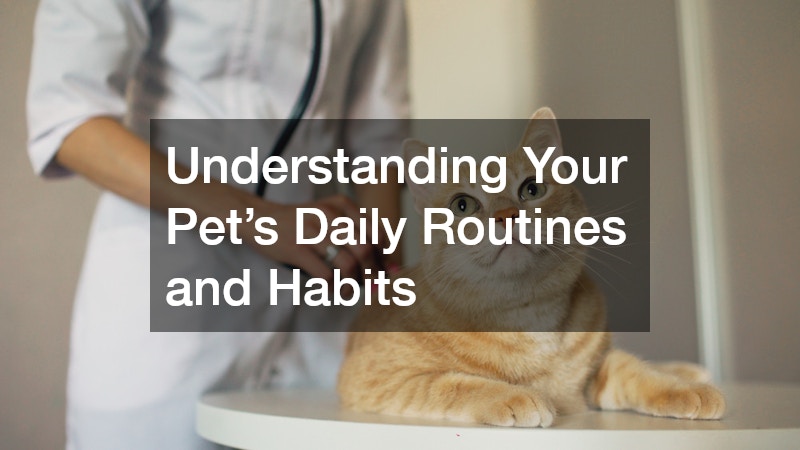
Understanding Your Pet’s Daily Routines and Habits
A pet’s daily routine forms the foundation of how they interact with their environment. Wake times, feeding schedules, activity levels, and rest periods all influence how a home should function. Observing these patterns helps identify what supports your pet’s comfort and what may unintentionally create stress. Small disruptions, such as frequent noise during rest times or limited access to favorite areas, can affect behavior over time.
Understanding habits also means recognizing how pets move through the home. Some pets follow their owners closely, while others prefer predictable paths between favorite spots. Identifying these patterns can help reduce obstacles and improve flow. When routines are supported rather than interrupted, pets are more likely to remain calm and engaged throughout the day. This awareness also helps guide decisions about where to place beds, feeding stations, and quiet areas.
Insights from a veterinarian can help clarify how routines impact health and well-being. Professional guidance can identify signs that a pet’s daily patterns may need adjustment, especially as pets age or experience changes in mobility or energy. When home design aligns with these insights, it supports both comfort and long-term health.
Designing Spaces That Encourage Comfort and Rest
Rest is essential to a pet’s physical and emotional health, making comfort-focused spaces a priority in any pet-friendly home. Pets need areas where they can relax without constant stimulation, especially in busy households. Thoughtfully designed rest spaces help pets recover from activity, regulate stress, and maintain consistent sleep patterns. Comfort is influenced by factors such as lighting, temperature, and proximity to household activity.
Different pets prefer different types of rest environments. Some enjoy quiet corners away from foot traffic, while others feel most secure near family activity. Providing options allows pets to choose what feels best at different times of day. Soft surfaces, stable footing, and consistent placement of beds or mats all contribute to a sense of familiarity and safety. When rest areas are predictable, pets are less likely to seek out unsuitable spots.
For pets that experience time away from home, familiarity becomes even more important, especially when transitioning between environments like pet boarding. Designing home rest spaces that reflect comfort and routine can make these transitions easier. When pets return to a familiar, calming environment, they adjust more quickly and maintain healthier routines.
Choosing Materials That Support Safety and Durability
Material choices play a major role in how safe and functional a home feels for pets. Floors, finishes, and surfaces are experienced differently by animals than by people. Slippery flooring can affect mobility, while rough or fragile materials may pose risks to paws, claws, or joints. Selecting materials with durability and traction in mind helps create an environment where pets can move confidently without unnecessary strain or injury.
Durability is especially important in high-use areas where pets spend most of their time. Entryways, feeding zones, and play areas benefit from materials that can withstand moisture, scratching, and frequent cleaning. Surfaces that resist staining and wear reduce the need for constant repairs and help maintain a cleaner environment. Safety also extends to finishes and treatments, as non-toxic materials help protect pets who explore with their noses and mouths.
In some situations, injuries or sudden issues can arise despite careful planning, which is where insight from an urgent care veterinarian becomes valuable. Understanding common household hazards helps guide smarter material choices that reduce emergency risks. Floors that provide stable footing and surfaces that are easy to sanitize can help limit accidents and support recovery if issues occur.

Creating Clear Pathways and Accessible Layouts
Clear pathways and accessible layouts help pets navigate the home with ease. Pets rely on predictable movement patterns, especially when traveling between rest areas, feeding zones, and outdoor access points. Cluttered spaces or tight corners can create confusion or stress, particularly for older pets or those with mobility challenges. Open, well-defined paths help pets feel confident and reduce the risk of accidents.
Accessibility is not just about open space but also about thoughtful placement. Furniture arrangement, door clearances, and consistent walking routes all influence how pets experience the home. Sudden changes or obstacles can disrupt routines and increase anxiety. When layouts support natural movement, pets are less likely to pace, hesitate, or avoid certain areas altogether.
For pets accustomed to structured environments such as a dog kennel, clear organization can feel especially reassuring. Defined pathways and consistent access points mirror the predictability pets experience in structured care settings. Bringing that sense of clarity into the home supports smoother transitions and calmer behavior.
Supporting Feeding, Hydration, and Routine Care
Daily care routines such as feeding and hydration are central to a pet’s well-being. When these routines are supported by the layout of the home, they become easier to maintain consistently. Designating specific areas for food and water helps reduce confusion and reinforces routine. Pets often feel more secure when these essentials are always available in the same place.
Cleanliness is an important part of routine care. Feeding areas can quickly accumulate spills, crumbs, or tracked debris, making surface choice and placement especially important. Easy-to-clean flooring and washable mats help maintain hygiene without disrupting daily schedules. Keeping care zones separate from rest areas also supports better comfort and organization throughout the home.
Maintaining cleanliness often extends beyond daily tidying, which is where practices like rug washing become relevant. Rugs near feeding or grooming areas benefit from regular deep cleaning to control odors and allergens. Clean surfaces contribute to a healthier environment and reduce stress for pets sensitive to smells or textures.
Managing Indoor Air Quality and Ventilation
Indoor air quality plays an important role in a pet’s daily comfort and overall health. Pets are often closer to the floor, where dust, dander, and allergens tend to accumulate. Poor ventilation can trap odors and airborne particles, which may affect breathing and contribute to irritation over time. Maintaining clean, well-circulated air helps create a healthier environment for both pets and people.
Thoughtful ventilation supports temperature regulation and reduces moisture buildup that can lead to mold or lingering smells. Opening airflow pathways, using fans appropriately, and maintaining filters all contribute to fresher indoor conditions. Homes with pets benefit from consistent airflow that keeps spaces from becoming stuffy or overly warm, especially in areas where pets rest or spend long periods of time.
Structural features can influence airflow throughout the home, including the placement and design of a custom door. Doors that allow for controlled ventilation while maintaining security can improve air movement between indoor and outdoor spaces.
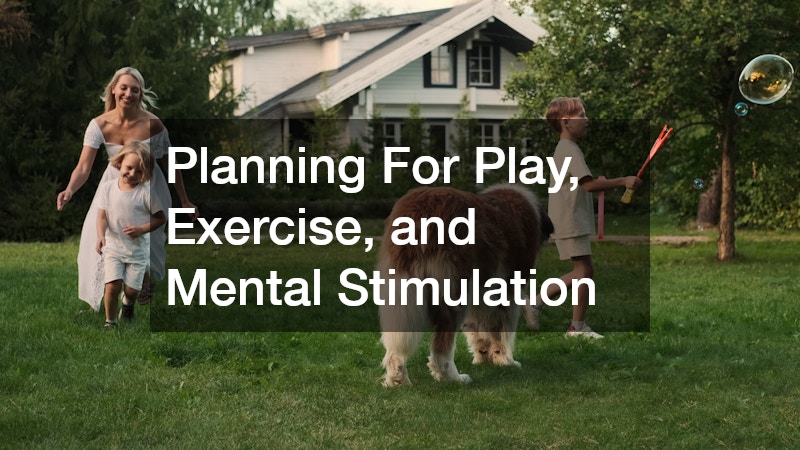
Planning for Play, Exercise, and Mental Stimulation
Play and movement are essential to a pet’s physical health and mental well-being. Without adequate opportunities for activity, pets may become restless or develop unwanted behaviors. A home that supports play and exercise helps pets release energy in constructive ways while reinforcing positive routines. Planning for these needs encourages healthier habits and stronger bonds between pets and their owners.
Indoor and outdoor play spaces should reflect a pet’s size, energy level, and preferences. Clear areas for toys, movement, and interaction help prevent clutter while supporting safe activity. Mental stimulation is equally important, as pets benefit from environments that encourage exploration and engagement. Simple design choices can help prevent boredom and reduce stress.
Outdoor spaces are often a major asset, which is why backyard designs may be considered as part of a pet-friendly home plan. Yards that support movement, play, and supervision provide pets with additional stimulation and variety.
Reducing Stress Through Environmental Consistency
Consistency helps pets feel secure in their surroundings. Sudden changes in layout, routine, or sensory input can increase anxiety, especially for sensitive or aging pets. A consistent environment allows pets to anticipate what comes next, reducing uncertainty and promoting calmer behavior. Predictability supports emotional stability and helps pets adapt more easily to daily life.
Environmental consistency includes maintaining familiar paths, rest areas, and routines. Keeping furniture arrangements stable and minimizing unnecessary changes helps pets navigate confidently. Sound levels, lighting patterns, and daily schedules also contribute to a sense of normalcy. When these elements remain steady, pets are less likely to experience stress-related behaviors.
Outdoor surroundings can also influence stress levels, making thoughtful landscaping an important consideration. Natural elements such as greenery and shaded areas can create calming visual and sensory cues. When indoor and outdoor environments work together harmoniously, pets experience fewer disruptions and greater comfort.
Maintaining Cleanliness and Odor Control
Cleanliness is a key factor in creating a comfortable home environment for pets and the people who live with them. Pets bring in dirt, shed hair, and carry natural odors that can build up over time if not managed consistently. When cleanliness is addressed through thoughtful design, it becomes easier to maintain a fresh space without constant effort. Clean environments also reduce allergens and support healthier daily routines.
Design choices can make a significant difference in how manageable cleanliness becomes. Washable surfaces, easy-to-clean floors, and clearly defined zones help contain messes and simplify upkeep. Separating high-traffic pet areas from quiet rest spaces also limits how far dirt and odors spread. Regular cleaning routines are more effective when the home layout supports them rather than working against them.
Outdoor factors influence indoor cleanliness as well, particularly when pets move between spaces. Managing water runoff, mud, and debris helps reduce what is tracked inside. In some homes, an irrigation system plays a role in controlling moisture and maintaining cleaner outdoor surfaces.
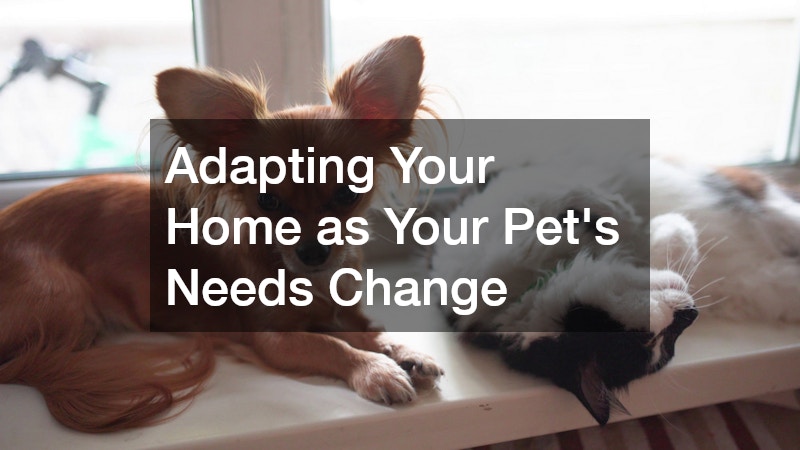
Adapting Your Home as Your Pet’s Needs Change
A pet’s needs change over time, and a supportive home should be able to change with them. Puppies and kittens often require open space and durability, while senior pets may need easier access, softer surfaces, and quieter environments. Adapting the home proactively helps pets remain comfortable and confident as their mobility, energy, or health evolves.
Flexibility in design allows homeowners to make adjustments without major disruptions. Modular furniture arrangements, adaptable rest areas, and accessible pathways help accommodate changes gradually. As pets age, minimizing obstacles and improving visibility becomes increasingly important. These updates support independence and reduce frustration for pets who may struggle with sudden changes.
Natural light and visibility also influence comfort, which is where windows become an important consideration. Adequate light helps pets orient themselves and feel connected to their surroundings. Clear sightlines to outdoor areas can provide mental stimulation and reassurance. By adapting the home thoughtfully, owners create an environment that continues to support their pet’s daily life at every stage.
Creating a home environment that supports your pet’s daily life is an ongoing process rooted in observation, intention, and adaptability. From understanding routines and designing comfortable spaces to managing cleanliness and planning for change, each choice shapes how pets experience their surroundings. A well-designed home reduces stress, supports healthy behavior, and makes daily care more manageable.
Pet-focused design does not require constant renovation or drastic changes. Small adjustments, made with consistency and purpose, can significantly improve comfort and usability. When the home supports natural movement, rest, play, and routine care, pets feel more secure and engaged. This sense of stability benefits the entire household, creating a calmer and more harmonious living environment.