
The reality of homeownership is that the structural and mechanical systems keeping your living space comfortable, safe, and functional are largely invisible—until they suddenly fail. When you turn on a faucet, you expect clear water to flow instantly; when you adjust the thermostat on a freezing winter night, you expect warm air to circulate through your vents within minutes. We take these modern conveniences for granted, rarely giving a second thought to the intricate maze of pipes, valves, heating elements, and ventilation shafts hidden behind our drywall and beneath our floorboards. But when a pipe bursts, sending thousands of gallons of water into your finished basement, or when your heating unit completely shuts down during a historic blizzard, the resulting panic is immediate. The stress of potential property damage, combined with the physical discomfort of losing essential utilities, creates a highly volatile situation for any homeowner.
Unfortunately, it is precisely in these moments of sheer panic that homeowners make their most costly mistakes. The danger of emergency hires cannot be overstated. When water is actively destroying your hardwood floors or your family is shivering in the dark, the natural instinct is to frantically search online and hire the absolute first person who answers the phone. Waiting for a crisis to find a professional strips you of your negotiating power and completely bypasses the necessary vetting process. This rushed decision-making often leads to severe price gouging, where desperate homeowners are charged double or triple the standard rate. Worse yet, it opens the door to substandard workmanship from underqualified individuals who know you are in no position to scrutinize their credentials.
Finding the right professional to manage your home’s water and temperature control systems should never be a reactionary process. It requires a proactive, highly methodical approach. It demands that you take the time to accurately diagnose your property’s specific infrastructural needs long before a catastrophic failure occurs. It requires rigorously verifying credentials, understanding the legal nuances of service contracts, and distinguishing true industry experts from well-meaning but under-equipped generalists. By laying this groundwork during a time of calm, you secure not just a service provider, but a trusted partner in maintaining the long-term value and safety of your home.

Diagnose the Scope of Your Household Needs
Before you begin reaching out to various service providers, you must first develop a comprehensive understanding of what your home actually requires. A successful partnership with a home service professional is built on clear communication, and you cannot communicate your needs effectively if you do not understand the current state of your own infrastructure. This diagnostic phase is crucial because it dictates the specific type of expertise you need to seek out.
The first step is to conduct a thorough audit of your current infrastructure. You do not need to be an engineer to accomplish this; you simply need to gather basic, foundational information about your property.
-
Determine the approximate age of your home, as this heavily influences the type of materials hidden behind your walls. For example, homes built before the 1980s may still have galvanized steel pipes that are highly susceptible to interior rusting and reduced water pressure.
-
Locate your main water shut-off valve. Knowing exactly where this is and ensuring it is fully operational is the single most important piece of knowledge you can possess to mitigate damage during a massive leak.
-
Check the manufacturing dates on your major appliances. Water heaters typically last between eight and twelve years, while forced-air heating systems might last fifteen to twenty years with proper maintenance.
Once you have a baseline understanding of your home’s age and the expected lifespan of its major components, you can identify cross-trade efficiencies. Many modern service providers recognize that homeowners prefer a single point of contact for their mechanical systems. There are significant logistical and financial benefits to finding a multi-disciplinary professional who is licensed to handle both water-based systems and central heating infrastructure. If your property is aging, the odds are high that multiple systems will require maintenance simultaneously. Finding a reliable local plumber who is also part of a larger team that handles HVAC work means you only have to vet one business, manage one scheduling window, and often benefit from bundled service discounts. You might discover that the same business replacing your aging water heater can also dispatch a specialized technician to perform your necessary local furnace repair before the harsh winter weather arrives.
Finally, establish a strict preventative maintenance timeline. Do not wait for the first freeze of the year to turn on your heating system, and do not wait for a holiday gathering to realize your guest bathroom cannot handle increased usage. Schedule annual check-ups during the off-seasons—typically spring and early autumn. This proactive approach ensures you are not competing with hundreds of desperate homeowners during the busy season, allowing you to secure better rates and more flexible scheduling windows.
Source Recommendations and Verify Reputation
With a clear understanding of your household’s baseline needs, the next phase is sourcing viable candidates. In the digital age, we are bombarded with targeted advertisements and search engine results promising immediate, low-cost solutions. However, slick marketing materials and heavy advertising budgets do not equate to technical competence or ethical business practices. To find a truly reliable professional, you must look past the polished exterior and dig into their actual reputation within your specific community.
The most valuable data point you can gather is a hyper-local referral. While online directories are helpful, nothing beats the unfiltered, firsthand experience of someone who lives in your immediate vicinity.
-
Speak to your immediate neighbors. Homes built in the same subdivision or neighborhood during the same era were likely constructed using identical materials and techniques. If your neighbor recently had to replace a failing pressure reducing valve, it is highly likely you will face the exact same issue soon. Ask them who they hired, if the crew arrived on time, and if the final invoice matched the initial estimate.
-
Consult local community boards. Neighborhood-specific social media groups and community apps are excellent resources for spotting trends. If you see the same name repeatedly praised for honesty and cleanliness, add them to your shortlist. Conversely, if you see multiple warnings about a specific outfit upselling unnecessary products, cross them off immediately.
When transitioning from personal referrals to online research, it is crucial to look significantly beyond the overall star rating. A five-star rating means very little if it is based on only three reviews. When evaluating various plumbing companies, dive deep into the written commentary. You are looking for specific indicators of a professional culture. Do reviewers mention that the technicians wore protective shoe covers to keep floors clean? Do they highlight that the dispatcher communicated clearly about arrival times? Was the work area left spotless after the job was completed? Furthermore, pay close attention to how the business handles negative reviews. A professional operation will respond to criticism calmly, acknowledge the issue, and offer a constructive path toward resolution. A business that argues aggressively with former clients online is waving a massive red flag.
Finally, you must confirm that the candidates on your shortlist maintain a physical, verifiable presence in your community. The home service industry is unfortunately plagued by lead-generation scams and transient operations that disappear the moment a job goes wrong. Hiring a well-established local plumbing company with a physical office address, a secure lot for their branded fleet of trucks, and actual full-time employees in your town provides an essential layer of accountability. A business with deep, physical roots in your community has a long-term reputation to protect. They cannot simply change their phone number and vanish if a newly installed system suddenly fails; they are accountable to the community they serve.

Differentiate Between Generalists and Specialists
As you refine your list of potential candidates, you must understand the stark difference between a generalist and a specialized professional. Many homeowners, in an attempt to save money, hire neighborhood handymen to tackle complex mechanical issues. While a skilled handyman is an invaluable resource for patching drywall, hanging heavy fixtures, or assembling furniture, their skill set is generally not suited for the intricate, highly regulated world of water supply and pressurized heating systems.
Understanding the legal and technical boundaries between these two tiers of workers is vital. A licensed professional has undergone thousands of hours of rigorous apprenticeship, passed comprehensive state examinations regarding municipal building codes, and understands the complex fluid dynamics required to properly vent a drainage system. A generalist might know how to physically connect two pipes, but they may not understand that using incompatible metals will cause galvanic corrosion, leading to a massive hidden leak months down the road. When dealing with systems that can flood your home or release dangerous gases like carbon monoxide, specialized knowledge is absolutely non-negotiable.
This distinction becomes particularly apparent when you assess the need for heavy, specialized machinery. Many common household issues cannot be permanently resolved with the basic tools found in a standard toolbox.
-
Consider recurring blockages in your main sewer line. A generalist might use a basic, manual auger to temporarily punch a hole through the blockage, allowing water to flow slowly for a few weeks before the issue returns.
-
A specialized professional, however, will deploy expensive, high-tech equipment. They will use high-resolution, fiber-optic sewer cameras to visually inspect the interior of your buried lines, pinpointing the exact location and nature of the blockage—whether it is a collapsed pipe, an accumulation of grease, or a massive tree root intrusion.
-
Once diagnosed, they utilize heavy-duty hydro-jetting machines that blast pressurized water at thousands of pounds per square inch, completely scouring the interior walls of the pipe and restoring it to its original diameter.
Knowing when to apply which level of service is key to managing your budget. If your bathroom sink is draining slightly slower than usual because of a superficial buildup of hair and soap scum, calling a general drain cleaning service to quickly snake the P-trap is entirely appropriate and cost-effective. However, if multiple fixtures on your ground floor are backing up simultaneously, and raw sewage is threatening to overflow into your bathtub, you are dealing with a critical main line failure. In this scenario, you must bypass the generalists and immediately contact a heavily equipped drain cleaning company that possesses the commercial-grade machinery and diagnostic cameras necessary to excavate, repair, or clear massive subterranean blockages safely and legally.
Furthermore, true specialists will not just fix the immediate problem; they will work with you to create a customized, routine maintenance plan. They will evaluate the hardness of your municipal water, the heavy usage of your appliances, and the surrounding foliage on your property to recommend a schedule of preventative treatments that stop massive emergencies before they can even develop.
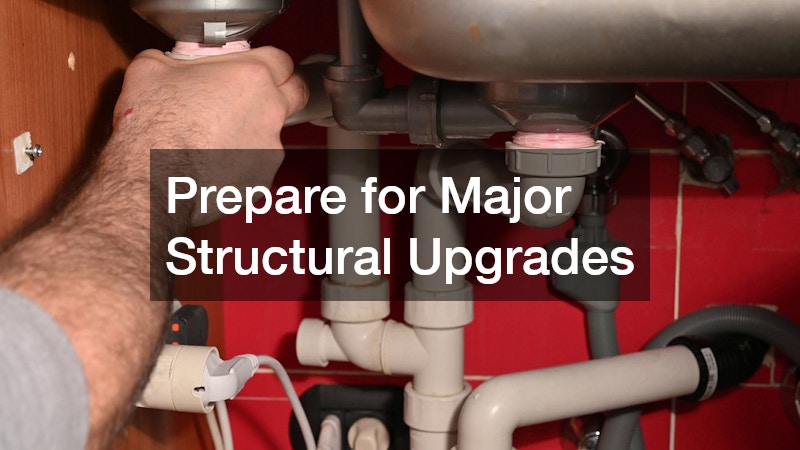
Prepare for Major Structural Upgrades
Even with the most meticulous preventative maintenance, every mechanical system eventually reaches the end of its functional lifespan. When this happens, you transition from managing minor inconveniences to planning major structural upgrades. These projects are highly invasive, expensive, and require a contractor who possesses exceptional project management skills.
The first step in this phase is learning to recognize the warning signs of catastrophic infrastructure failure. Your home will almost always give you subtle clues before a major system collapses entirely.
-
Sudden, unexplained drops in water pressure across multiple fixtures often indicate a massive hidden leak or severe interior scaling within your main supply line.
-
If your tap water suddenly runs brown, yellow, or rust-colored, the interior lining of your pipes or your water heater storage tank is actively corroding and dissolving into your drinking supply.
-
Unexplained structural dampness, such as perpetually wet spots in your yard during a drought, or bubbling, soft drywall near your baseboards, points to slow, insidious leaks that are actively rotting your home’s wooden framework.
When you notice these signs, you must objectively weigh the economics of patching versus replacing. There is a definitive tipping point where constantly paying for isolated repairs becomes mathematically illogical. If you are paying for an emergency visit every six months to fix a pinhole leak in a different section of your fifty-year-old copper piping, you are simply throwing money away. A reliable contractor will sit down with you, review your service history, and honestly advise you when a standard plumbing repair is no longer sufficient. They will explain the long-term cost savings of biting the bullet and investing in comprehensive, whole-house pipe repair and repiping, utilizing modern, highly durable materials like cross-linked polyethylene (PEX) that will not corrode or burst under freezing conditions.
Because major structural upgrades are inherently disruptive, you must rigorously interview candidates on their specific protocols for minimizing property damage. Replacing all the water lines in a home requires opening up walls, removing sections of flooring, and sometimes excavating heavy landscaping.
-
Ask the contractor exactly how they plan to access the infrastructure. Do they utilize minimally invasive trenchless technology for underground lines to save your driveway and lawn?
-
If they must cut into your drywall, do they make clean, surgical cuts, or do they smash it with a hammer?
-
Crucially, clarify exactly who is responsible for the restoration work. Will the contractor patch the drywall and repaint, or will you be left with gaping holes in your living room that require you to hire a separate carpentry crew?
Understanding the full, start-to-finish scope of the demolition and restoration process ensures you are not hit with thousands of dollars in unexpected cosmetic repair bills once the mechanical work is completed.

Scrutinize Credentials, Contracts, and Warranties
The final, and arguably most critical, phase of securing a reliable home service professional is the rigorous scrutiny of their legal credentials, their contractual terms, and the warranties backing their labor. Allowing an unlicensed, underinsured individual to dismantle the critical systems of your home is a massive financial gamble. If they accidentally ignite a fire while soldering a joint, or cause a flood that destroys your neighbor’s adjoining property, you could be held entirely legally and financially responsible.
Your first protective measure is to verify state licenses and liability insurance independently. Do not simply take a contractor’s word for it, and do not assume that a license number printed on a business card is currently active. Go to your state’s official department of labor or occupational licensing website and physically type in their name or business registration number. Ensure their license is active, in good standing, and clear of any severe disciplinary actions. Next, demand to see a current certificate of insurance. A reputable professional will carry robust worker’s compensation insurance to protect their employees if they are injured on your property, as well as multi-million dollar general liability insurance to protect your physical home from accidental destruction.
Once you have verified their legal standing to perform the work, you must demand a highly detailed, itemized, and written estimate before any work commences. Never accept a verbal quote given over the phone, and never sign an estimate written vaguely on a piece of scrap paper. A legitimate, legally binding estimate will break the project down line by line.
-
It should clearly separate the cost of physical materials (like the actual heating unit or the linear feet of copper tubing) from the cost of human labor.
-
It should explicitly list any necessary municipal permit fees.
-
It must outline the payment schedule, ensuring you are not required to pay the full amount before the job is even started.
Finally, you must carefully evaluate the guarantees and warranties offered. There is a distinct difference between a manufacturer’s warranty and a labor warranty. If an independent local plumbing contractor installs a new water filtration system, the manufacturer of that system will guarantee the physical parts against factory defects for a set number of years. However, if the contractor installed it incorrectly, causing it to leak on day two, the manufacturer’s warranty is void. You must ensure the contractor provides a firm, written guarantee covering their specific labor and craftsmanship. When comparing bids, you might find that while massive commercial plumbing contractors offer slightly lower initial prices, their labor warranties might expire in thirty days, whereas a mid-sized, dedicated regional team might guarantee their installation work for a full year. Always choose the professional who is confident enough in their own skillset to legally stand behind their labor long after the final invoice has been paid.
Investing in Long-Term Peace of Mind
Navigating the complex landscape of home maintenance and major mechanical repairs is undeniably an intimidating process. It requires a significant investment of time, energy, and critical thinking. However, as we have explored, relying on rushed, reactionary decisions during a household crisis is a guaranteed path to financial loss and lingering stress. By taking control of the process—by thoroughly auditing your home’s baseline needs, relentlessly sourcing verified local recommendations, understanding the distinction between generalists and specialists, and uncompromisingly scrutinizing legal credentials and written contracts—you completely shift the power dynamic in your favor.
The effort you expend during this vetting phase yields dividends that extend far beyond a single repaired pipe or a newly installed heating unit. The ultimate goal is not just to fix an isolated problem, but to build a lasting, trusted partnership with a reliable professional. When you have a fully vetted expert saved in your phone—someone who knows the history of your property, understands your budget, and operates with absolute integrity—you eliminate the panic that usually accompanies homeownership. You gain prioritized emergency service, honest long-term advice, and the absolute peace of mind that comes from knowing your home’s most critical systems are being managed by a true master of their craft.
Do not wait for the structural integrity of your home to be compromised before taking action. Dedicate an hour this weekend to audit your utility room, locate your emergency shut-off valves, and begin researching the top-rated professionals in your community.