When the time comes to put your property on the market, the line between a house that sits stagnant for months and one that sparks a bidding war often comes down to strategic preparation. While a fresh coat of paint and some rigorous decluttering are excellent starting points, maximizing your property’s resale value requires a much deeper dive into the home’s foundational, functional, and aesthetic elements. Homeowners frequently debate the merits of doing it themselves versus bringing in seasoned professionals. The reality is that today’s modern homebuyers are highly discerning. They are predominantly looking for “turn-key” properties. They do not want to spend their first year of homeownership ripping out outdated systems or worrying about sudden, catastrophic failures. They are willing to pay a premium—often significantly more than the cost of the repairs themselves—for a home with updated, expertly maintained systems that come with a guarantee of quality workmanship.
The return on investment for strategic hiring is twofold. First, it directly elevates the listing price and the final appraisal value of the property. Second, it drastically reduces the time your home spends on the market, saving you the carrying costs of taxes, insurance, and mortgage payments. This comprehensive guide will map out the specific systems and aesthetic areas of your home that yield the highest return on investment. By understanding the buyer’s perspective and prioritizing the right upgrades, you can transform your property into a highly coveted asset. Let us explore the precise areas where bringing in seasoned experts will not just preserve your equity, but actively multiply it.

Revitalize Your Home’s Exterior Footprint
Curb appeal is not just a real estate buzzword; it is the psychological threshold every potential buyer must cross. Before they even step through the front door, buyers are actively forming an opinion about the structural integrity and maintenance history of your property. If the exterior looks neglected, the immediate subconscious assumption is that the unseen systems within the home have been equally ignored.
Blast Away Years of Grime Before Painting or Showing
Over the years, the exterior of a home accumulates a thick layer of environmental residue. Depending on your climate, this could be airborne pollutants, heavy dust, sap, bird droppings, or invasive organic growth like green algae, black mold, and mildew. This buildup not only dulls the architectural beauty of your home but can actually accelerate the deterioration of your exterior cladding. Many homeowners assume their house needs a complete, expensive exterior paint job, when in reality, it may just be hiding under a decade of dirt.
A deep exterior clean should be the very first step in your pre-listing preparation. However, attempting to do this with rented equipment can lead to disastrous results. High-pressure water can easily strip away healthy paint, gouge wooden decks, force water behind vinyl siding (leading to interior mold), and destroy the seals around your windows. This is why relying on professional pressure cleaning contractors is a highly recommended strategy. These experts understand the precise combination of water pressure (PSI), temperature, and eco-friendly chemical surfactants required for different exterior materials.
Consider the following surfaces that benefit immensely from professional exterior cleaning:
-
Vinyl and Fiber Cement Siding: Soft-washing techniques remove unsightly algae without risking water intrusion behind the panels.
-
Wooden Decks and Fencing: Professional cleaning removes the gray, oxidized layer of wood, restoring its natural color and preparing it perfectly for a fresh coat of stain or sealant.
-
Brick and Stucco: These porous materials require specialized, low-pressure chemical treatments to lift stains without eroding the mortar or the textured finish.
-
Patios and Walkways: Removing slippery moss and dark grime instantly makes outdoor living spaces look larger, newer, and more inviting.
Repair Cracked Driveways for a Smooth Welcome
The driveway is often the largest continuous surface on the front of your property. If it is characterized by spiderweb cracks, massive oil stains, heaving sections, or crumbling edges, it instantly detracts from the perceived value of the home. A severely damaged driveway is a glaring red flag for buyers, signaling a potential safety hazard and an immediate, expensive project they will have to undertake upon moving in.
Addressing the driveway is not merely about aesthetics; it is about demonstrating solid infrastructure. Minor cosmetic flaws can sometimes be patched, but substantial issues require a professional touch. Bringing in local concrete contractors allows you to explore several value-adding solutions rather than just pouring a basic slab. If the existing foundation is stable, they might recommend resurfacing—applying a thin, fresh layer of concrete over the old slab to make it look brand new at a fraction of the cost.
If a full replacement is necessary, professionals can offer upgrades that dramatically boost your home’s high-end appeal:
-
Stamped Overlays: These mimic the look of expensive cobblestone, brick, or natural slate, instantly elevating the perceived luxury of the home.
-
Exposed Aggregate: A highly durable, textured finish that offers excellent traction and a sophisticated, modern aesthetic.
-
Borders and Banding: Adding a contrasting border of pavers or colored concrete around the edges of the driveway creates a tailored, custom look.
-
Leveling Services: If slabs have sunken due to soil erosion, professionals can utilize mudjacking or polyurethane foam injection to lift the concrete back to its original position safely.
Secure the Home’s Top Defenses Against Weather
While cosmetic upgrades catch the eye, the structural defenses of a home are what ultimately close the deal. Buyers are terrified of water damage. It is the single most destructive force a home faces, capable of rotting wood, destroying drywall, and creating hazardous mold environments. Ensuring the exterior envelope of your home is watertight is non-negotiable.
Replace Missing Shingles to Pass Inspections Quickly
The roof is arguably the most critical component of a home’s structural integrity. During the selling process, the buyer’s home inspector will meticulously examine the roof’s condition. If they find curled shingles, missing granules, exposed nail heads, or deteriorating flashing around the chimney, the sale can quickly stall. Buyers will either walk away entirely or demand massive price concessions—often asking for double the actual cost of a roof replacement to cover their perceived risk.
Proactively addressing your roof puts you in a position of power during negotiations. A new or certified roof is a massive selling point, offering buyers absolute peace of mind for the next two decades. It is vital to have experienced roofing contractors conduct a comprehensive assessment before you list the property. They will not just look at the shingles; they will inspect the underlying decking for soft spots, assess the condition of the underlayment, and evaluate the soffit and fascia.
When upgrading the roof, consider these factors that appeal to buyers:
-
Architectural Shingles: Moving from basic 3-tab shingles to dimensional or architectural shingles adds depth, character, and a significantly longer warranty, which is a major selling point.
-
Upgraded Ventilation: A well-ventilated attic (using ridge vents and soffit vents) prevents ice dams in the winter and reduces cooling costs in the summer, prolonging the life of the roof.
-
Transferable Warranties: Work with experts who offer materials and labor warranties that can be transferred to the new homeowner. This is a highly attractive asset to feature in your real estate listing.
Redirect Water Safely Away from Your Foundation
Even the best roof is ineffective if the water it sheds is not properly managed. Poor drainage is the leading cause of flooded basements, foundation settlement, cracked walls, and aggressive landscape erosion. If a buyer views the property during a rainstorm and sees water cascading over the sides of the house, or notices deep trenches carved into the mulch beds, they will immediately worry about the home’s foundation.
Upgrading your water management system is a relatively low-cost project that yields an exceptionally high return on investment by preventing disastrous inspection reports. Reaching out to local gutter contractors is the best way to turn a potential maintenance headache into a tangible selling feature. They will ensure that the system is properly pitched so that water flows seamlessly toward the downspouts without pooling and causing rust or mosquito breeding grounds.
Key upgrades to consider for your water management system include:
-
Seamless Aluminum Systems: Unlike older sectional systems that leak at the seams, seamless gutters are custom-extruded on-site to fit your home’s exact dimensions perfectly.
-
Leaf Guards and Helmets: Installing high-quality, professional-grade covers prevents clogs from leaves and pine needles. This appeals heavily to buyers who dread the dangerous chore of climbing a ladder to clean them out.
-
Extended Downspouts and French Drains: Ensuring downspouts carry water at least six feet away from the foundation wall is crucial. If the grading makes this difficult, professionals can install underground French drains to channel water away invisibly and effectively.

Modernize Invisible Systems for Buyer Peace of Mind
It is a common misconception that buyers only care about things they can see, like granite countertops and hardwood floors. In reality, educated buyers—and their home inspectors—are deeply concerned with the utilities running behind the walls. Outdated electrical and plumbing systems are viewed as ticking time bombs. Modernizing these invisible systems removes massive barriers to sale and justifies a premium asking price.
Swap Out Outdated Pipes to Prevent Costly Leaks
The plumbing system is the circulatory system of your house. In older homes, the presence of certain materials can actually make a property uninsurable or cause a buyer’s financing to fall through. For example, galvanized steel pipes, common in homes built before the 1960s, corrode from the inside out, leading to drastically reduced water pressure and rust-colored water. Similarly, polybutylene piping, used extensively in the 1980s and 1990s, is notorious for sudden, catastrophic failure and is a major red flag in the real estate community.
If your home contains these materials, proactive replacement is essential. Due to the complex nature of water pressure, venting, and municipal building codes, it is paramount that licensed plumbing contractors handle these major upgrades. They will ensure that all necessary permits are pulled and closed out properly, providing a paper trail that proves to the buyer the work is up to code.
Modern piping solutions offer distinct advantages:
-
PEX (Cross-linked Polyethylene): This flexible tubing is the modern standard for repiping. It resists scale buildup, doesn’t corrode, expands to prevent burst pipes during freezes, and is highly cost-effective to install.
-
Copper: While more expensive, copper is the gold standard for durability and longevity, highly valued by buyers in luxury markets.
-
Manifold Systems: Modern repiping often includes a central manifold system, allowing homeowners to shut off water to individual fixtures from a central location, much like an electrical breaker box.
Upgrade the Panel to Support Modern Appliances
The way we consume electricity has changed drastically over the last few decades. Today’s households demand an immense amount of power to support heavy-duty HVAC systems, double ovens, extensive smart home integrations, home offices, and, increasingly, electric vehicle (EV) charging stations. Older homes equipped with 60-amp or even 100-amp service panels simply cannot handle this modern load. Warning signs like flickering lights, blown fuses, or a reliance on multiple power strips will immediately make a buyer anxious about electrical fires.
Upgrading the electrical infrastructure is a massive selling point that proves the home is ready for the future. Hiring licensed electrical contractors to evaluate your current load capacity is the first step. Upgrading to a modern 200-amp service panel ensures the home can safely handle all contemporary appliances and technology without tripping breakers.
Specific electrical upgrades that buyers actively look for include:
-
GFCI and AFCI Protection: Ground Fault Circuit Interrupters (in wet areas like kitchens and bathrooms) and Arc Fault Circuit Interrupters (in bedrooms and living spaces) are essential for modern fire and shock safety.
-
Dedicated Circuits: Adding dedicated circuits for heavy-draw appliances like microwaves, refrigerators, and garage freezers prevents system overloads.
-
EV Charger Readiness: Even if you do not install the actual charger, having a 240-volt outlet professionally wired in the garage is a highly attractive feature for the growing demographic of electric vehicle owners.
-
Updated Wiring: If your home has antiquated knob-and-tube or aluminum wiring, professional remediation is virtually mandatory to secure a buyer and finalize the sale.
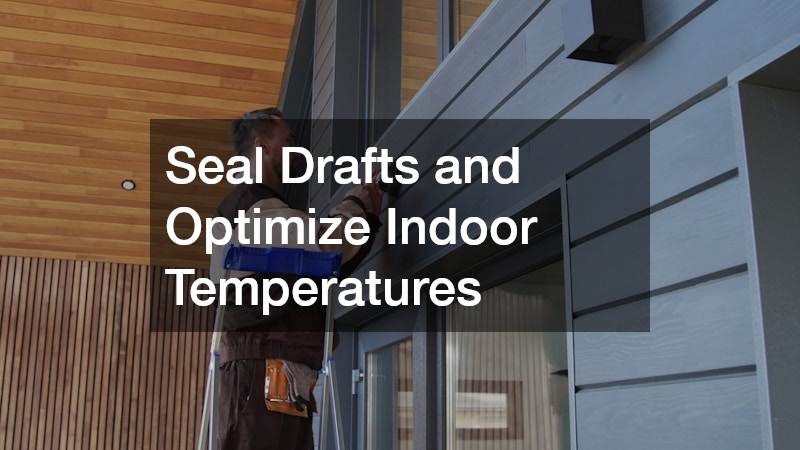
Seal Drafts and Optimize Indoor Temperatures
Energy efficiency has transitioned from a niche environmental concern to a primary financial priority for homebuyers. With the rising costs of utilities, buyers are acutely aware of how much a home will cost to operate month-to-month. A property that is drafty, poorly insulated, or reliant on aging climate control systems will face intense scrutiny. Upgrading these elements not only makes the home more comfortable to live in but serves as a powerful marketing tool.
Swap Single-Pane Glass for Double-Glazed Efficiency
Windows are one of the most prominent features of a home, both inside and out. Old, single-pane windows, or double-pane windows that have lost their thermal seals (visible as foggy condensation between the glass), are massive energy liabilities. They allow conditioned air to escape in the summer and let freezing drafts penetrate during the winter. Furthermore, outdated window frames—particularly rotting wood or peeling aluminum—are an eyesore that drastically reduces curb appeal.
Replacing these with modern, energy-efficient alternatives is a high-yield investment. Because correct installation is just as critical as the quality of the window itself, bringing in a reputable window installation contractor is essential. If a window is not perfectly plumb, level, and square, or if the exterior flashing is not meticulously applied, even the most expensive glass will leak air and water.
When upgrading, focus on these buyer-friendly features:
-
Low-E (Low-Emissivity) Coatings: This microscopic metallic coating reflects interior heat back into the room during winter and reflects harsh UV rays away during summer, protecting hardwood floors and furniture from fading.
-
Argon Gas Fills: Modern double or triple-pane windows often feature argon or krypton gas pumped between the layers of glass. This dense gas acts as a powerful insulator, far superior to normal air.
-
Frame Materials: Vinyl frames offer excellent insulation and zero maintenance. Fiberglass frames are incredibly strong, resist expansion and contraction, and can be painted. Wood-clad frames offer the traditional beauty of wood on the inside with durable aluminum protection on the exterior.
-
Noise Reduction: High-quality windows provide exceptional acoustic insulation, which is a major selling feature if your property is located near a busy road or an airport.
Service or Replace the Furnace Before Winter Listings
The climate control system is one of the most expensive mechanical components in a home. A typical forced-air furnace has a lifespan of 15 to 20 years, while air conditioning compressors generally last 10 to 15 years. If your HVAC system is approaching the end of its life expectancy, a buyer will walk into the utility room, look at the unit, and immediately mentally deduct $10,000 to $15,000 from their offer price to account for the impending replacement.
You must control this narrative. If the system is still viable, it is imperative to schedule a comprehensive tune-up. If it is old and inefficient, replacing it prior to listing can yield a fantastic return, as buyers love the phrase “Brand New HVAC.” Regardless of the route you choose, working with certified heating contractors ensures the work is done safely, properly sized for the square footage of your home, and fully documented.
To maximize the appeal of your indoor climate systems, consider the following:
-
High-Efficiency Ratings: If replacing a furnace, look for an AFUE (Annual Fuel Utilization Efficiency) rating of 90% or higher. For air conditioners, seek a SEER (Seasonal Energy Efficiency Ratio) of 16 or above. These numbers prove to buyers that their utility bills will be low.
-
Smart Thermostats: Replacing an old, yellowing dial thermostat with a sleek, Wi-Fi-enabled smart thermostat (like a Nest or Ecobee) costs very little but immediately makes the entire home feel modern and technologically advanced.
-
Indoor Air Quality Add-ons: Consider installing a whole-house humidifier, a UV light air purifier, or upgrading to high-MERV filter cabinets. These additions appeal strongly to health-conscious buyers and families with allergies.

Elevate the Heart of the Home
If there is one room that can definitively sell a house, it is the kitchen. The kitchen has evolved far beyond a purely functional space for preparing meals; it is the social epicenter of the modern home, a place for entertaining, doing homework, and gathering with family. Because buyers place such an immense emotional and financial value on this space, it represents your greatest opportunity for maximizing resale value.
Reface Cabinets and Install Premium Countertops
A common mistake sellers make is assuming they need to execute a $50,000, down-to-the-studs kitchen renovation to attract buyers. Statistically, full-gut renovations rarely recoup 100% of their cost at resale. The most profitable strategy is to perform targeted, highly visible cosmetic updates that modernize the space without altering the fundamental footprint or moving plumbing and electrical lines.
To execute this delicate balance of budget and high-end design, partnering with a specialized kitchen contractor is incredibly beneficial. They have the network and the expertise to source materials quickly and coordinate the sequence of trades (countertop templating, plumbing reconnections, tile setting) so the project is completed in weeks, not months.
Focus your investment on the elements that buyers touch and see most often:
-
Cabinet Refacing or Painting: If your cabinet boxes are structurally sound, do not rip them out. Refacing (replacing the doors and drawer fronts with modern, soft-close hardware) or having them professionally spray-painted (shifting from dated oak to bright whites, soft grays, or navy blues) completely transforms the room at a fraction of the cost of new cabinetry.
-
Upgrading to Solid Surface Countertops: Laminate countertops are a major detractor for modern buyers. Upgrading to quartz or granite is practically mandatory in today’s competitive market. Quartz, in particular, is highly favored for its non-porous, stain-resistant, and low-maintenance qualities.
-
The Power of the Backsplash: A dated or non-existent backsplash leaves a kitchen looking unfinished. Installing a classic, clean subway tile backsplash is a highly affordable project that adds a massive amount of polish and reflects light, making the kitchen feel larger.
-
Modernizing Fixtures and Lighting: Swap out old, shallow stainless steel sinks for deep, single-basin under-mount sinks. Replace leaky, dated faucets with high-arc, pull-down models in brushed nickel or matte black. Finally, update the lighting by adding under-cabinet LED strips and stylish pendant lights over the island or peninsula.
Build Lasting Outdoor Features
The concept of the home has expanded beyond its interior walls. In recent years, the demand for functional, beautiful outdoor living spaces has skyrocketed. Buyers no longer just want a patch of grass; they want an exterior oasis where they can entertain, dine, and relax. Extending the usable footprint of your home into the backyard is a powerful way to increase the property’s overall perceived square footage and value.
Construct a Fire Pit or Retaining Wall to Anchor the Yard
An empty, featureless backyard can feel uninviting, while a yard with steep, unusable slopes can be seen as a maintenance burden. Hardscaping—the use of stone, brick, concrete, and wood to create permanent structures—solves both of these issues by anchoring the landscape and creating defined zones for outdoor living.
Because hardscaping involves shifting heavy materials, managing soil drainage, and ensuring structures can survive freeze-thaw cycles without cracking, this is not a DIY weekend project. Utilizing a skilled masonry contractor ensures that patios will not settle unevenly, retaining walls will not collapse under hydrostatic pressure, and fire features are safely constructed.
Consider adding these highly desirable outdoor features:
-
Flagstone or Paver Patios: Creating a solid, level surface for outdoor dining tables and lounge furniture instantly creates an “outdoor living room.”
-
Built-in Fire Pits: A custom brick or natural stone fire pit creates a natural gathering point and extends the usability of the backyard into the cooler autumn and spring months.
-
Structural Retaining Walls: If your property is built on a slope, a terraced retaining wall turns unusable hillsides into beautiful, flat planting beds or seating areas, completely transforming the landscape’s utility and aesthetic appeal.
Conclusion
Maximizing the resale value of your property is a deliberate exercise in balancing aesthetic enhancements with the uncompromising fortification of the home’s essential systems. While cosmetic updates like paint and landscaping draw buyers in, it is the structural integrity, energy efficiency, and safety of the home that convince them to submit a premium offer. Buyers are looking for certainty. When they see a property that has been meticulously cared for and updated by seasoned professionals, their anxiety diminishes, and their willingness to invest increases.
As you navigate this pre-listing preparation, remember the power of paperwork. Keep every invoice, detailed receipt, warranty document, and closed building permit from the professionals you hire. Compile these into a polished binder to be displayed prominently on the kitchen counter during open houses and private showings. This level of transparency provides undeniable proof of the home’s pedigree and serves as a powerful negotiating tool against lowball offers.
Before you begin tearing down drywall or ordering materials, take a strategic approach. Walk your property with an experienced real estate agent to evaluate your home through the eyes of a modern buyer. They can help you prioritize which of these expert interventions will yield the absolute highest return in your specific, local market. By investing intelligently in the right professional upgrades today, you ensure a swift, highly profitable sale tomorrow.