
Embarking on a large-scale home renovation is both exciting and challenging. These projects have the potential to dramatically improve the functionality, comfort, and value of your home, but without careful planning, they can become overwhelming, costly, or even disruptive.
Successful renovations require more than just picking finishes or colors. Homeowners need to evaluate the existing condition of their property, prioritize upgrades, coordinate multiple trades, and anticipate potential obstacles. Planning ahead ensures projects are completed efficiently, stay within budget, and result in a cohesive, high-quality home.
This guide will walk you through ten essential steps to consider when planning large-scale renovations. From structural improvements and roofing upgrades to water systems and contractor coordination, each section provides actionable tips to help you navigate the renovation process confidently.
1. Assess Your Home’s Current Condition

Before starting any renovation, it’s essential to have a comprehensive understanding of your home’s current state. Skipping this step can lead to unforeseen issues, project delays, and inflated costs. A thorough assessment not only highlights immediate repair needs but also informs the planning and prioritization of renovation tasks, ensuring a smoother and more predictable workflow.
Actionable Tips:
-
Inspect structural elements: Carefully examine walls, ceilings, floors, and foundations for cracks, sagging, or signs of water damage. Pay attention to areas around windows and doors where settling can cause misalignment. Even minor issues, if left untreated, can escalate into significant structural problems. Early detection allows you to schedule necessary repairs and prevents delays in subsequent renovation phases.
-
Evaluate plumbing and water systems: Inspect all visible pipes for leaks, corrosion, and proper flow. Listen for unusual noises in plumbing lines, check for slow drains, and monitor water pressure. Consulting a drain cleaning company for a professional assessment can reveal hidden blockages, ensure smooth drainage, and reduce the risk of plumbing emergencies during renovations.
-
Assess water supply sources: For homes with private wells or alternative water systems, ensure they are functioning efficiently. Engage well services professionals to test water quality, evaluate pump performance, and check system reliability. Addressing any deficiencies before renovation prevents complications, such as disruptions to water-dependent projects like kitchen or bathroom upgrades.
-
Document findings: Keep a detailed record of all observations, including photographs and notes on the condition of structural elements, plumbing, and water systems. Highlight areas that will require specialized contractor input. This documentation serves as a roadmap for planning, budgeting, and prioritizing renovation tasks, helping ensure that no critical repairs are overlooked.
-
Create a prioritized action plan: Based on your assessment, categorize tasks into immediate repairs, medium-term projects, and long-term improvements. This structured approach ensures that urgent safety or functionality issues are addressed first, while aesthetic or non-essential upgrades can be scheduled strategically.
Conducting a comprehensive home assessment establishes a clear understanding of the property’s condition, helps allocate resources effectively, and reduces the risk of costly surprises during renovation. This foundational step lays the groundwork for a more efficient, safe, and successful renovation process, giving homeowners confidence that their investment will yield lasting results.
2. Set Clear Renovation Goals and Priorities
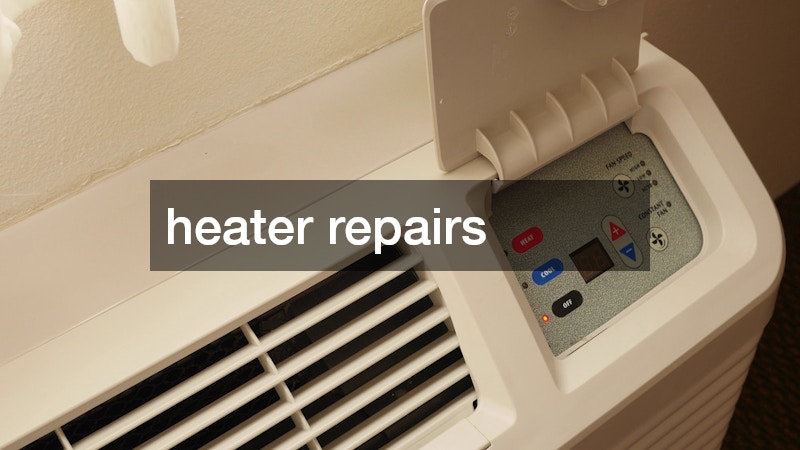
Defining clear goals and priorities is a crucial step in ensuring that a renovation meets both your functional needs and budgetary constraints. Without a structured plan, projects can quickly grow in scope, leading to unnecessary expenses, extended timelines, and unnecessary stress. By setting clear objectives from the outset, homeowners can make strategic decisions, allocate resources wisely, and focus on the renovations that deliver the most value.
Actionable Tips:
-
Identify high-value projects: Determine which areas of your home will provide the greatest return on investment and improve daily living. Focus on spaces such as kitchens, bathrooms, and living areas. Upgrading a modern kitchen with energy-efficient appliances, high-quality cabinetry, and smart storage solutions can dramatically enhance both functionality and property value. Similarly, updated bathrooms with contemporary fixtures and durable surfaces provide comfort and appeal to potential buyers. Incorporate improvements to heating and water systems, ensuring a well-rounded renovation plan.
-
Budget wisely: Create a detailed budget that accounts for both essential renovations and optional upgrades. Allocate funds according to priority, focusing on high-impact projects first. Include a contingency fund, typically 10–15% of the total budget, to cover unexpected expenses such as hidden water damage, structural repairs, or delays in material delivery. Careful budgeting helps prevent mid-project financial stress and allows you to maintain control over your renovation.
-
Plan system upgrades: Large-scale renovations are the ideal time to address infrastructure improvements. Schedule heater repairs and water heater services to coincide with other work, reducing disruptions and improving efficiency. For example, replacing an older water heater while upgrading a kitchen or bathroom ensures consistent hot water supply and prevents future complications. Integrating these system upgrades into your renovation plan also reduces long-term maintenance costs and enhances energy efficiency.
-
Balance aesthetics and practicality: While design choices are important, it’s essential to select materials and layouts that are both visually appealing and functional. Opt for durable, low-maintenance materials that will withstand daily wear and remain stylish over time. For example, choose quartz countertops for durability in kitchens, slip-resistant tiles in bathrooms, and energy-efficient windows and lighting fixtures to enhance comfort and reduce costs.
-
Set measurable objectives: Define specific outcomes for each project, such as increasing storage capacity, improving energy efficiency, or enhancing natural light. Having measurable goals allows you to track progress and ensures that the renovation meets your expectations.
Establishing clear renovation goals and priorities ensures that every decision, from design choices to contractor selection, aligns with your overall vision. A structured plan keeps the project focused, maximizes return on investment, and ensures that the finished home is both functional and beautiful.
3. Plan Structural and Exterior Upgrades
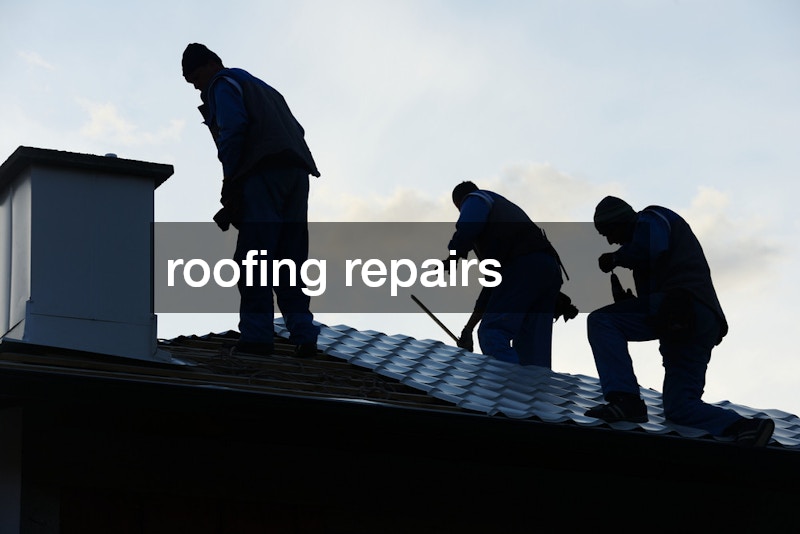
Structural integrity is the foundation of any successful home renovation. Overlooking these elements can compromise safety, reduce the longevity of improvements, and lead to costly delays. By addressing structural and exterior issues early, homeowners can ensure that all subsequent renovations, from interior remodeling to landscaping, are supported by a safe and stable framework.
Actionable Tips:
-
Inspect the roof and supporting structures: Examine the roof for sagging areas, missing or damaged shingles, and signs of water infiltration. Check supporting beams and rafters for rot, insect damage, or weakening caused by age or weather. Hiring a local roofing contractor ensures a professional assessment and helps identify necessary roofing repairs before other renovations begin. Addressing these issues early prevents leaks from damaging new finishes and interior features.
-
Assess exterior walls and foundations: Evaluate exterior walls for cracks, spalling, or moisture penetration. Inspect the foundation for signs of settling, such as uneven floors, gaps around windows, or cracks in masonry. Repairing these issues before renovations preserves structural stability and prevents costly corrective work later. Foundation repairs may include underpinning, sealing, or repointing masonry, depending on the severity of the damage.
-
Plan expansions or additions carefully: If your renovation involves adding new rooms, extensions, or outdoor structures, ensure all plans comply with local building codes. Structural changes should integrate seamlessly with the existing framework to avoid load imbalances or safety hazards. Consider consulting a structural engineer to confirm that added weight and layout changes are properly supported.
-
Consider material upgrades: Choosing modern, durable materials enhances both functionality and visual appeal. For roofing, select materials that offer weather resistance, longevity, and low maintenance. For exterior walls, consider fiber cement siding, reinforced stucco, or treated wood for durability. Durable materials reduce ongoing maintenance and ensure that the renovation maintains value over time.
-
Coordinate with other trades: Structural and exterior upgrades often intersect with other renovation work, such as HVAC installation, window replacement, or landscaping. Proper sequencing ensures that contractors can perform their tasks efficiently without interfering with structural modifications or risking damage to new installations.
Addressing structural and exterior elements at the beginning of a renovation creates a safe, reliable foundation for all subsequent projects. By ensuring the roof, walls, and foundation are sound, homeowners protect both their investment and the long-term durability of their renovated home.
4. Coordinate Roofing and Gutter Improvements
The roof and gutter system play a vital role in protecting the home from water damage. Coordinating roof and gutter upgrades with other renovation work prevents leaks and ensures proper water management.
Actionable Tips:
-
Schedule roof repairs first: Addressing roofing repairs before interior renovations prevents water infiltration and damage to new finishes.
-
Replace or upgrade gutters: Gutter replacement ensures proper drainage, protecting foundations and landscaping from erosion.
-
Hire experienced professionals: Roofing companies can provide quality repairs or installations, ensuring materials are correctly installed and durable.
-
Inspect after major storms: Look for loose shingles, debris, or signs of wear, and address them promptly to maintain protection throughout renovations.
By prioritizing roofing and gutter work, homeowners can safeguard both existing structures and newly renovated spaces.
5. Prepare for Excavation and Outdoor Projects
Large-scale renovations often involve landscaping, grading, or adding extensions that require excavation. Proper preparation ensures safety, efficiency, and minimal disruption to your property.
Actionable Tips:
-
Plan excavation carefully: Work with an excavation service to safely remove soil, create foundations, or prepare for landscaping projects.
-
Protect utilities: Ensure all underground pipes, drains, and cables are clearly marked and mapped before digging.
-
Integrate drainage solutions: Consult with a drain cleaning company to evaluate current systems and prevent water accumulation or flooding.
-
Ensure site safety: Establish clear boundaries, use proper signage, and maintain safe access routes during excavation work.
Properly executed excavation supports structural stability, protects utilities, and ensures that exterior projects complement interior renovations seamlessly.
6. Upgrade Windows and Insulation for Efficiency
Windows and insulation are critical for energy efficiency, comfort, and aesthetics. Addressing these systems during renovations maximizes the benefits of other upgrades.
Actionable Tips:
-
Inspect and repair window glass: Address cracks, fogging, or leaks through window glass repairs to improve insulation and prevent drafts.
-
Upgrade to energy-efficient windows: Choose double- or triple-pane glass with low-E coatings to reduce heat loss and improve indoor comfort.
-
Seal gaps and improve insulation: Ensure frames, sills, and surrounding areas are properly sealed to prevent energy waste and moisture intrusion.
-
Coordinate with other exterior upgrades: Align window and insulation improvements with roofing and gutter work to maintain consistent energy efficiency and aesthetics.
Investing in windows and insulation enhances comfort, lowers utility costs, and contributes to long-term home value.
7. Plan Plumbing and Water Systems Upgrades

Efficient and reliable plumbing is essential for a successful large-scale renovation. Addressing water systems early prevents future disruptions and integrates seamlessly with interior upgrades.
Actionable Tips:
-
Upgrade water heaters: Include water heater services in your renovation plan to improve efficiency and ensure consistent hot water supply.
-
Maintain drains: Work with a drain cleaning company to clear blockages and optimize flow before remodeling bathrooms or kitchens.
-
Inspect piping: Replace aging pipes and fittings to prevent leaks or corrosion, especially in older homes.
-
Coordinate with appliance installation: Ensure plumbing supports new fixtures, dishwashers, and other water-dependent appliances.
Prioritizing water system upgrades reduces the risk of leaks, improves efficiency, and ensures that plumbing supports both current and future needs.
8. Update Heating and HVAC Systems
Large-scale renovations are an ideal opportunity to improve heating, ventilation, and air conditioning systems. Efficient HVAC systems enhance comfort and energy performance throughout the home.
Actionable Tips:
-
Evaluate system capacity: Ensure existing units can handle increased space or load from additions.
-
Schedule repairs and maintenance: Include heater repairs in your renovation plan to maintain consistent performance.
-
Integrate well system assessments: For homes with private wells, well services professionals can ensure water supply supports heating and other systems efficiently.
-
Upgrade to energy-efficient units: Consider high-efficiency furnaces, heat pumps, or smart thermostats for long-term savings.
Upgrading heating and HVAC systems enhances comfort, reduces energy costs, and ensures that renovated spaces are livable year-round.
9. Coordinate Multiple Contractors Efficiently
Large-scale renovations often involve multiple trades, including roofing, plumbing, HVAC, and excavation. Proper coordination prevents delays and ensures project quality.
Actionable Tips:
-
Establish clear timelines: Plan the order of work so one trade does not impede another.
-
Maintain open communication: Use project management tools or regular check-ins to keep all contractors informed.
-
Hire licensed professionals: Rely on local roofing contractors and roofing companies with proven experience to ensure compliance with building codes.
-
Document responsibilities: Clearly define the scope of work for each contractor to avoid disputes and overlapping efforts.
Effective coordination maximizes efficiency, reduces project stress, and ensures a cohesive, high-quality outcome.
10. Ensure Safety, Permits, and Long-Term Maintenance
Even after the renovation is complete, long-term safety and maintenance planning are essential. Proper compliance and preventive care protect both your investment and family.
Actionable Tips:
-
Obtain necessary permits: Ensure all electrical, plumbing, and structural work meets local building codes.
-
Schedule inspections: Regularly inspect completed work, especially roofing, gutters, and windows.
-
Plan ongoing maintenance: Include gutter replacement and window glass repairs as part of routine home care to prevent deterioration.
-
Document all work: Maintain records of inspections, warranties, and contractor information for future reference.
Prioritizing safety, compliance, and preventive maintenance ensures your renovated home remains functional, efficient, and valuable for years to come.
Large-scale home renovations require careful planning, thoughtful coordination, and attention to detail. By assessing your home’s condition, setting priorities, addressing structural and exterior upgrades, and coordinating multiple trades, you can achieve a successful, high-quality renovation.
Integrating plumbing, heating, roofing, and exterior systems during the renovation ensures long-term functionality, efficiency, and comfort. With clear goals, professional guidance, and proactive maintenance, homeowners can transform their homes into safer, more efficient, and highly valuable properties.