
The immediate aftermath of a severe storm is often a blur of emotions. There is the initial relief that the event has passed and your loved ones are safe, followed quickly by a sinking realization of the work that lies ahead. Seeing your home—your sanctuary and likely your largest financial asset—battered by wind, rain, or hail can be deeply overwhelming. It is not just about the physical damage; it is the sudden disruption of your daily life, the looming complexity of insurance claims, and the pressure to make rapid decisions about repairs.
However, once the skies clear, the path to recovery must begin. While the damage may look chaotic, the restoration process should be anything but. Recovering from storm damage is a systematic journey. It requires patience, diligence, and a strategic approach to ensure that your home is not only repaired but restored to a condition that ensures the long-term safety and comfort of your family.
This guide is designed to be your roadmap through that confusion. We will move beyond simple cleanup tips and dive deep into the critical phases of restoration. From identifying invisible health hazards and securing the structural integrity of your property to navigating the logistics of major renovations and turning a disaster into an opportunity for improvement, this article covers it all. By breaking the massive project down into manageable, logical steps, you can regain control and rebuild with confidence.
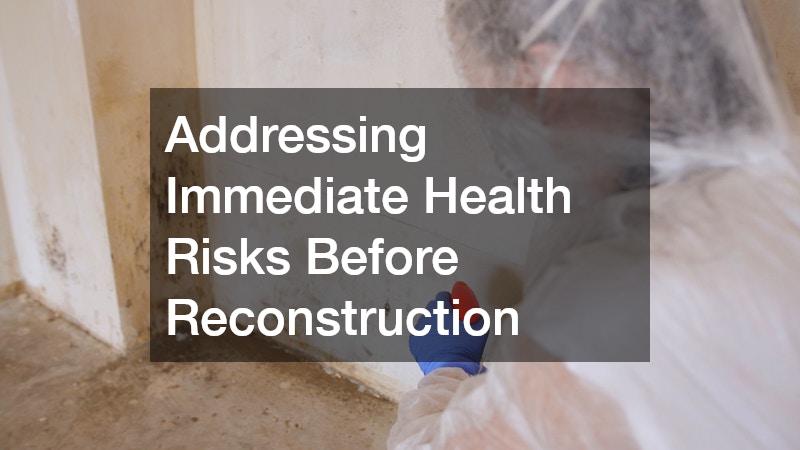
Addressing Immediate Health Risks Before Reconstruction
Before you pick up a hammer or call a contractor for cosmetic repairs, you must ensure the environment is safe to work in. Storm damage often exposes parts of the home that were previously sealed off, and in doing so, it can liberate hazardous materials or create new biological threats.
The Invisible Danger in Older Materials
If your home was built before the 1980s, your walls, flooring, and insulation might contain materials that are harmless when undisturbed but dangerous when damaged. Storms often result in crushed drywall, torn insulation, or shattered floor tiles. When these materials are broken, they release microscopic fibers into the air.
Rushing into demolition without testing is one of the most common mistakes homeowners make. You might be eager to tear out wet drywall to let the studs breathe, but if that drywall compound or the texture on it contains hazardous fibers, you are contaminating your entire HVAC system and breathable air. Before you allow any demolition crew to open up wall cavities or rip up old flooring, you should schedule professional asbestos detection services. These specialists can safely sample debris and air quality to determine if abatement is necessary. This step is critical because standard contractor liability insurance often excludes pollution events caused by improper handling of hazardous materials.
The Race Against Moisture and Bacteria
Water is the most pervasive enemy after a storm. Whether it entered through a hole in the roof, a broken window, or rising floodwaters, moisture starts a clock that is ticking against you. The “24-48 hour rule” is well-known in the restoration industry: this is the window you have to dry out organic materials before biological growth begins.
However, drying is not always enough. If floodwaters were involved, that water is categorized as “Category 3” or “black water,” meaning it may contain sewage, chemicals, and pathogens. Even clean rainwater, if left sitting in humid conditions behind a wall, will eventually spur fungal growth. If you smell a musty odor or see discoloration on baseboards, surface cleaning is insufficient. You likely need to engage a certified mold removal service to handle the remediation. These professionals use negative air pressure containment zones to ensure that spores are not spread to unaffected areas of the house during the cleanup process. They can also apply antimicrobial treatments to structural wood framing, ensuring that your rebuild happens on a sanitized foundation.
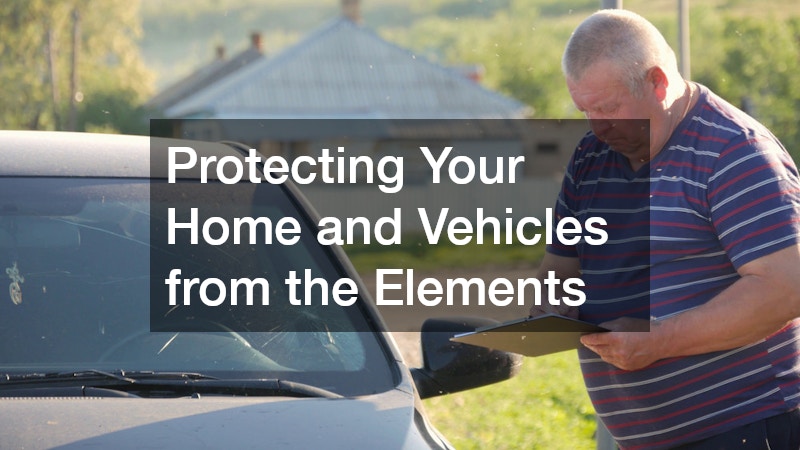
Protecting Your Home and Vehicles from the Elements
Once the interior environment is stabilized, your focus must shift to the “envelope” of your house and the assets that help you function daily. The exterior shell is your home’s primary defense, and if it is compromised, interior repairs are futile.
Securing the Roof Deck
The roof bears the brunt of most severe weather events. Damage here can range from the obvious—such as a tree limb through the attic—to the subtle, like micro-fractures in shingles caused by hail impact. These subtle injuries are treacherous because they may not leak immediately. Instead, they degrade the shingle’s UV protection, leading to premature failure months or years later.
When seeking repairs, be wary of transient “storm chasers” who knock on doors immediately after a weather event. These operators often lack proper licensing or local roots, making it impossible to enforce warranties later. It is far safer to rely on established local roofers who have a physical office in your community. A local contractor understands the specific regional building codes and weather patterns. For example, they will know if your area requires specific wind-resistant nailing patterns or ice and water shields that out-of-towners might overlook. Furthermore, they will be there next year if a flashing detail needs adjustment.
Handling Ancillary Vehicle Damage
In the chaos of assessing the house, do not neglect your vehicles. If your home was hit by hail or flying debris, your cars likely suffered damage as well. A shattered windshield or dented hood might seem like a secondary priority, but you will need a reliable vehicle to meet with insurance adjusters, visit showrooms for materials, and transport your family while the house is being worked on.
Driving with compromised glass is a safety hazard, as the windshield contributes to the structural integrity of the car’s cabin. If your side mirrors or glass were smashed by debris, scheduling windshield repairs should be high on your to-do list. Many companies offer mobile services that can come to your driveway or workplace, allowing you to multitask. By getting your vehicle operational quickly, you ensure that you remain mobile and efficient during the weeks of home restoration logistics that lie ahead.
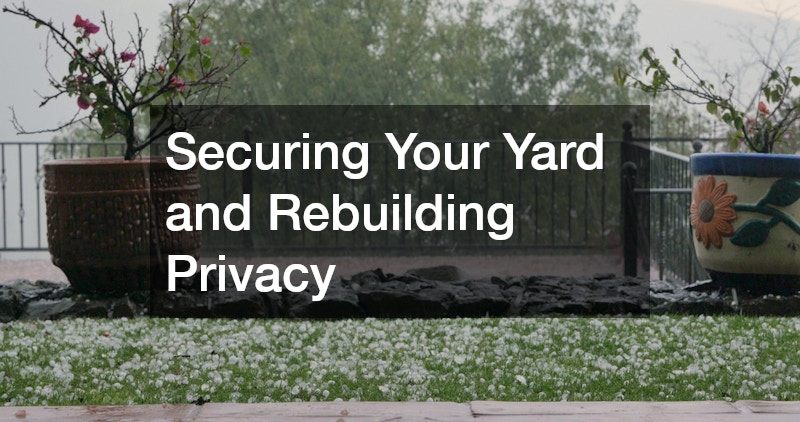
Securing Your Yard and Rebuilding Privacy
A storm destroys the boundaries of your property just as easily as it damages the center. Fences are frequently flattened by high winds or crushed by falling trees. This loss of perimeter security is a major issue for pet owners, parents of young children, and anyone who values privacy.
Assessing Perimeter Security
When a fence goes down, your property is suddenly open to the street. This can lead to issues with liability, stray animals, or simply a lack of security during a time when your home is already vulnerable. Temporary fencing can be a short-term solution, but you will need to plan for a permanent replacement quickly.
Because storms usually affect entire neighborhoods, the demand for fencing materials and labor spikes immediately. You might find that materials are backordered for weeks. It is wise to contact multiple local fence companies as soon as you have assessed the damage. Getting on a waitlist early is crucial. When interviewing these companies, ask about their backlog and their specific experience with storm insurance claims. A company that is familiar with itemizing repair costs for insurance adjusters can help ensure you get the full replacement value for your damaged property line, rather than a depreciated settlement.
Choosing Durable Materials for the Rebuild
This is also an opportunity to rethink your materials. If your old fence was a standard pine dog-ear style that rotted at the posts and snapped in the wind, you might want to upgrade. While vinyl and metal options exist, many homeowners prefer the natural aesthetic of timber, provided it is built correctly.
Consulting with a specialized wood fence company can open your eyes to better construction methods. For instance, they might recommend using steel posts concealed by wood facings to prevent rot at the ground level, or using cedar instead of pine for better weather resistance. They can also design a “shadow box” style fence, which allows wind to pass through the gaps rather than hitting the fence like a solid sail. This aerodynamic advantage can make the difference between your fence standing or falling during the next major storm.
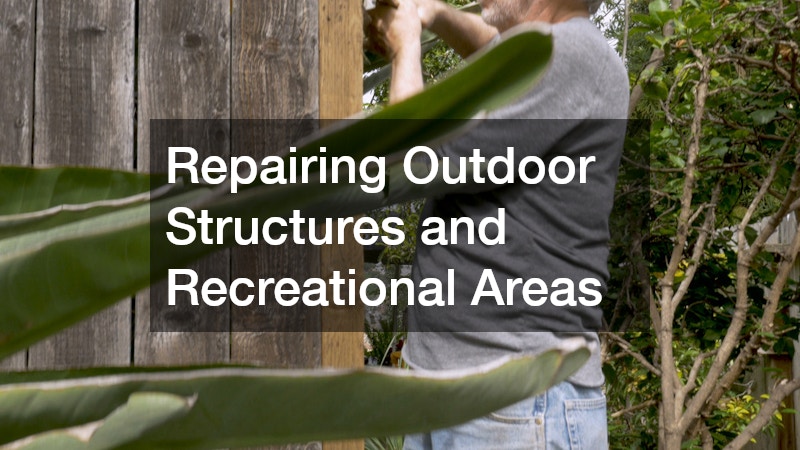
Repairing Outdoor Structures and Recreational Areas
Your backyard amenities are luxury items that require specialized care after a disaster. Pools, patios, and outdoor kitchens are expensive to install and complex to repair. Neglecting them can lead to structural failures that are far more costly than the initial storm damage.
Restoring the Backyard Oasis
If you have a swimming pool, it likely acts as a catch basin for every leaf, twig, and shingle that blows through the neighborhood. The water may be black with silt and debris. Your instinct might be to drain the pool immediately to clean it, but this can be a catastrophic mistake.
In many areas, heavy rains raise the groundwater table. If you drain your pool when the ground is saturated, the hydrostatic pressure from the surrounding soil can actually push the pool shell out of the ground, cracking the concrete or fiberglass. It is known as “floating” the pool, and it essentially totals the structure. Instead, contact a custom pool builder to assess the situation. They can inspect the pump and filtration equipment, which may have been flooded or clogged with mud. They can also advise on whether the pool needs to be drained under controlled conditions or if a chemical “shock and floc” treatment can salvage the water. If the coping or tile was damaged by hail, a builder can incorporate those repairs into a larger renovation, perhaps adding modern features you’ve always wanted.
Fixing Hardscapes and Foundations
Floodwaters are notorious for undermining concrete slabs. Water moving across your property can wash away the soil supporting your driveway, patio, or walkways. This creates voids beneath the concrete. You might not see the issue immediately, but over the next few months, the weight of the concrete will cause it to crack and settle into those voids.
Inspect the edges of your slabs for signs of washout. If you see significant cracking or shifting, you may need to replace sections of the hardscape. When planning these repairs, the quality of the material matters immensely. Working with a reputable concrete supplier ensures you get the correct “mix design” for your climate. For example, exterior concrete needs air-entrainment additives to prevent it from cracking during freeze-thaw cycles. A professional supplier provides a certified mix that will last for decades, unlike bags of pre-mix from a hardware store, which are generally suited only for setting fence posts, not for structural flatwork.

Managing Interior Renovations and Temporary Relocation
Once the exterior is secure and the hazards are removed, the interior restoration begins. This is often the longest phase of recovery, but it also offers the most creative freedom. If your kitchen or living areas were damaged, you are essentially given a blank slate to redesign your living space.
Turning Disaster into Opportunity
It is common for insurance to cover the cost of restoring your home to its “pre-loss condition.” However, many homeowners choose to pay the difference out-of-pocket to upgrade materials. If your laminate countertops were ruined by water, why replace them with the same material? This is the perfect time to invest in durability and aesthetics.
Natural stone, for instance, offers a level of resilience that man-made laminates cannot match. You might visit a stone yard to select a granite countertop that will serve as the centerpiece of your new kitchen. Granite is heat-resistant, scratch-resistant, and, when properly sealed, highly resistant to moisture—a comforting thought after dealing with water damage. By coordinating these upgrades with the general restoration schedule, you save money on labor since the contractors are already on-site. The key is to select these materials early, as lead times for custom fabrication can vary.
Logistics of Major Repairs
Restoring the interior of a home is loud, dusty, and disruptive. If you are having floors replaced, drywall sanded, and cabinets installed, living in the house may be impractical or unsafe. Your furniture and personal belongings can also impede the speed of the contractors.
To protect your possessions and speed up the timeline, the best strategy is often a “pack-out.” This involves moving the contents of the affected rooms entirely off-site. Hiring local movers to transport your furniture to a climate-controlled storage unit is a wise investment. It prevents your sofa from being covered in drywall dust and ensures your antiques aren’t accidentally scratched by a passing ladder. Furthermore, contractors can work much faster in an empty room. They don’t have to waste time shifting furniture around or tarping off sections of the room. Once the dust has settled and the paint is dry, the movers can bring everything back, allowing you to “move in” to your fresh, restored home.
Conclusion
Recovering from storm damage is a marathon, not a sprint. It tests your patience and your ability to manage complex projects under pressure. However, by prioritizing safety, securing the best local professionals, and viewing the restoration as an opportunity for improvement, you can navigate the process successfully.
Remember that every repaired roof, every upgraded fence, and every new countertop is a step toward normalcy. In the end, many homeowners find that their restored property is not just fixed, but better—safer, more functional, and more valuable than it was before the clouds rolled in. Take a deep breath, follow the plan, and trust that with the right help, your home will be whole again.