When something breaks down at a business, a rental property, or a public building, the fix that gets chosen says a lot about the person making the call. Some leaders reach for the cheapest patch job, hoping no one notices the shortcut. Others pause, weigh the risk, and invest in a real solution even when it costs more upfront. Watching how a facility problem gets handled under pressure often tells you more about someone’s character than a hundred hours of conversation ever could. This article looks at the everyday facility decisions that quietly expose whether a leader prioritizes people, safety, and long-term thinking, or just wants the problem to disappear for now.
Handling a Sudden Waste Overflow Crisis
When a construction project, office cleanout, or major renovation generates more debris than a building can handle, the decision to rent a dumpster quickly separates organized leaders from reactive ones. A leader who plans ahead orders the right size container before the mess piles up in hallways or parking lots, protecting both safety and appearance. Someone under pressure who scrambles at the last minute often ends up with overflowing trash, blocked walkways, or fines from the city for improper disposal.
The size and placement of a rented dumpster also reveals how much a leader considers the people around the property. Thoughtful leaders position containers away from foot traffic and schedule pickups so the site never looks abandoned or chaotic. Others let convenience win over consideration, leaving eyesores and hazards for employees, tenants, or neighbors to deal with.
Responding to Underground Waste System Failures
Few facility problems create panic faster than a backed-up septic system, and how a leader responds says everything about their priorities. Scheduling commercial septic system pumping on a routine basis is the mark of someone who thinks ahead rather than waiting for a crisis to force their hand. Leaders who only call for help after sewage backs into a building are often the same ones who cut corners in other areas of maintenance too.
The urgency and honesty a leader shows during a septic emergency also matters. A responsible leader closes off affected areas immediately, communicates clearly with employees or tenants, and gets professionals in fast rather than trying to mask the smell and hope it resolves itself. That instinct to protect people first, even when it is inconvenient or embarrassing, is a strong signal of genuine leadership.
Choosing Between Quick Fixes and Full Teardowns

When a structure is damaged beyond reasonable repair, the decision to bring in demolition contractors instead of endlessly patching a failing building shows real judgment. A roof that’s been re-patched three times, foundation cracks that keep reopening after cosmetic fixes, or electrical systems that fail inspection year after year are all signs that repair has quietly become a form of denial. At some point, the math stops favoring another round of repairs, and leaders have to be honest about that shift. Leaders who delay this call often do so because teardown feels expensive or disruptive, even when it is clearly the safer and smarter long-term choice. The upfront number on a demolition and rebuild can look alarming next to a $15,000 patch job, but that comparison rarely accounts for recurring repair costs, downtime, or the risk of a bigger failure six months later. Disruption to operations, tenants, or customers also factors in, and it’s tempting to keep kicking that discomfort down the road. The ones willing to make that harder decision are usually thinking about liability and safety, not just this quarter’s budget. They’re weighing what happens if a patched wall fails during business hours, or if an inspector flags a violation that shuts the whole facility down without notice. That kind of forward thinking, choosing a costly but final solution over a cheap but temporary one, is often the clearest window into how a leader actually handles pressure.
- A leader who orders inspections before deciding shows patience over panic, even when the clock and budget are pushing for a faster call
- A leader who treats a $15,000 engineering assessment as a rounding error, not an obstacle, understands that data is cheaper than liability
- A leader who ignores structural warnings to save money reveals misplaced priorities, betting short-term savings against long-term risk
- A leader who quietly patches a known issue rather than escalating it is choosing optics over safety
- A leader who communicates the reasoning behind a teardown builds trust with tenants and staff, even when the news is unwelcome
- A leader who explains the “why” behind timelines and relocation plans turns a disruptive decision into a demonstration of accountability
- A leader who delays demolition despite clear safety risks is gambling with other people’s wellbeing
- A leader who lets sunk costs, sentimentality, or fear of bad press override an engineer’s red flags is prioritizing appearances over lives
Managing Entry Point Failures During Busy Hours
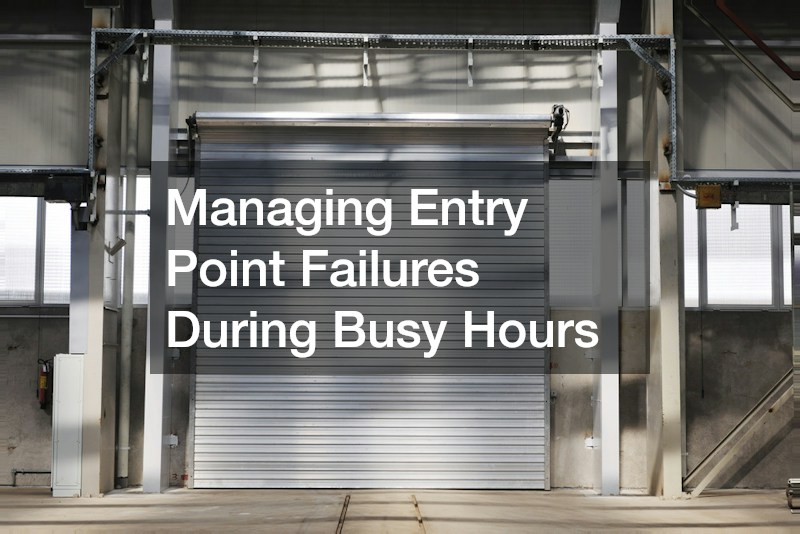
A broken entrance or loading dock door during peak business hours puts immediate pressure on whoever is in charge. Calling reliable garage door companies right away, even if it means temporary inconvenience or closing a section of the building, shows a leader who values safety over appearances. Leaders who prop open broken doors or ignore grinding noises and slow closures are often more concerned with looking like nothing is wrong than actually fixing the problem.
The speed of response matters just as much as the decision itself. A leader who tracks the issue, gets quotes quickly, and schedules repair without dragging it out for weeks is demonstrating respect for employees and customers who rely on that space daily. Letting a known hazard linger because a full closure feels disruptive is a red flag that convenience is being placed above safety.
Deciding How to Handle Rooftop Equipment Breakdowns
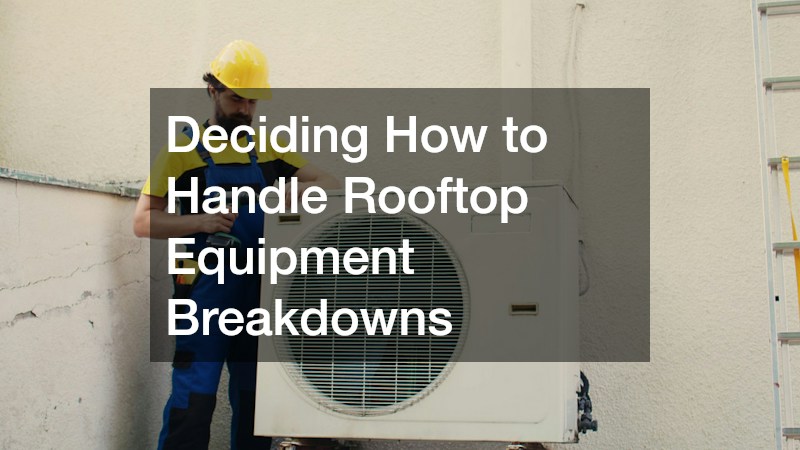
Rooftop HVAC units are easy to ignore because they are out of sight, which is exactly why how a leader handles their failure is so revealing. When a unit stops working during extreme heat or cold, arranging commercial roof top unit repair promptly protects employees, customers, and sensitive equipment inside the building. A leader who delays this repair to avoid the cost is often the same person who will delay other unglamorous but critical maintenance too.
There is also a difference between leaders who address the root cause and those who chase temporary comfort. Some will run space heaters or portable units for weeks rather than fix the actual rooftop system, creating fire risks and higher energy bills in the process. A leader focused on long-term stability treats the rooftop unit as core infrastructure, not an afterthought to patch only when complaints get loud enough.
Setting Boundaries and Security Around Property Lines
The condition and placement of a property’s perimeter says more than most people realize about how a leader thinks about safety and liability. Hiring a qualified fence contractor to repair damaged sections or upgrade aging barriers shows a leader who takes trespassing risks, liability exposure, and neighbor relations seriously. Leaders who let a broken or leaning fence sit for months are often underestimating how much that decision could cost them if someone gets hurt or property gets stolen.
Boundary decisions also reflect how a leader balances cost against long-term protection. Choosing sturdier materials or better sightlines might cost more initially, but it reduces the chances of repeated repairs and liability claims down the road. A leader who consistently chooses the cheapest fencing option, even in high-risk areas, is signaling that short-term savings matter more than sustained safety.
Making Buildings Truly Usable for Every Visitor
Accessibility is one of the clearest tests of a leader’s real priorities, because it directly affects whether people can use a space at all. A building can have an impressive lobby, a modern conference room, and a well-landscaped entrance, yet still fail the basic test of whether a person using a wheelchair, a walker, or a stroller can actually get through the door. Investing in wheelchair ramp installation before it is legally forced or publicly demanded shows a leader who thinks about inclusion proactively rather than reactively. The same is true of wider doorways, accessible restrooms, lowered counters, and clear signage — none of these are glamorous line items, but each one determines who gets to participate and who gets quietly turned away. Leaders who only address accessibility gaps after a complaint or lawsuit threat are revealing that compliance, not genuine care, is driving the decision. The ADA sets minimum standards, but minimum compliance and genuine usability are not the same thing; a ramp that technically meets code but is too steep, too narrow, or placed at an inconvenient side entrance still sends a message about how much thought went into the decision. Budget timing tells the same story. A leader who funds accessibility upgrades during the initial building design or renovation phase, when changes are cheaper and easier to integrate, is planning with everyone in mind from the start. A leader who treats accessibility as an afterthought — something addressed only when a customer, employee, or regulator forces the issue — is telling everyone exactly where inclusion ranks on their list of priorities.
The quality of the installation matters too, not just the fact that it exists. A ramp with the correct slope, sturdy handrails, and proper surfacing shows attention to real usability rather than the bare minimum required to check a box. The ADA specifies a maximum slope of 1:12, meaning a ramp rising just a few inches can require ten or more feet of length, and leaders who quietly approve a steeper, cheaper version are making a statement about whose convenience actually counts. The same scrutiny applies to details that rarely show up in a walkthrough but matter enormously in daily use: door widths that actually accommodate a wheelchair, automatic door openers that work reliably rather than intermittently, accessible restroom stalls with enough turning radius, and signage in braille placed at a usable height. Elevators need backup power for emergencies, not just for convenience. These aren’t exotic add-ons; they’re the difference between a building that technically complies and one that genuinely welcomes people. Cutting corners on something this personal to the people who depend on it is one of the fastest ways to lose trust with employees, customers, and the community. An employee who struggles daily with a too-narrow doorway or a malfunctioning lift notices immediately that their needs were treated as an afterthought. Word travels fast, and a reputation for minimal compliance is far harder to repair than the extra cost of doing it right the first time.
Deciding Whether to Repair or Replace Essential Equipment
When a walk-in cooler, commercial oven, or industrial washer breaks down, the clock starts ticking immediately, especially for businesses that depend on that equipment daily. A leader who calls for commercial appliance repair right away, rather than letting a broken unit sit while the business absorbs losses, is demonstrating a clear grasp of what actually keeps operations running. Leaders who hesitate too long over minor repair costs often end up paying far more in spoiled inventory, lost sales, or emergency service fees later.
The decision to repair versus replace also reveals how a leader thinks about long-term cost versus short-term comfort. Someone focused on sustainability will weigh the age and reliability of the equipment honestly, rather than pouring money into repeated fixes on something already near the end of its life. That kind of clear-eyed thinking under pressure is often what separates businesses that recover quickly from breakdowns and those that spiral into bigger losses.
Protecting Sensitive Records When Systems Fail or Close
Facility crises, closures, or relocations often surface old records that need to be dealt with quickly and responsibly. Leaders who work with established document shredding companies to dispose of sensitive files show they understand data protection is not optional, even during chaotic transitions. Those who leave boxes of old paperwork sitting in a hallway or dumpster during a rushed move are creating serious legal and reputational risk for everyone whose information is in those files.
This decision also reflects how a leader treats trust that has been placed in them by employees, clients, and patients. Properly destroying records, even when it costs time and money during an already stressful period, shows respect for the people behind the paperwork. Cutting this corner to save a few days during a move or closure is a shortcut that can come back to haunt a business far longer than the inconvenience it avoided.
Controlling Who Enters a Building Under Pressure
Security decisions made during a facility crisis, whether it is a break-in, a system failure, or a staffing shortage, show how seriously a leader takes the safety of everyone inside a building. Bringing in a qualified access control company to fix malfunctioning locks, keycards, or entry systems quickly demonstrates that security is treated as a non-negotiable priority rather than a line item to delay. Leaders who leave broken entry systems unaddressed, propping doors open for convenience, are often underestimating how quickly a small oversight can turn into a major safety incident.
The way a leader communicates about security changes also matters under pressure. Clearly informing staff and visitors about temporary procedures while a system is being repaired shows respect for their sense of safety and reduces confusion. Leaders who stay silent or dismissive about known security gaps are prioritizing appearances over the wellbeing of the people who trust them to keep the building secure.
Facility problems will always show up at the worst possible time, and there is no avoiding that reality. What separates strong leaders from the rest is not whether something breaks, but how quickly, honestly, and thoughtfully they respond when it does. If you are evaluating a leader, a landlord, or even your own decision-making under pressure, pay close attention to how facility issues get handled rather than just how they get talked about. The next time a crisis hits close to home, use these everyday decisions as a checklist for whether the people in charge are truly prioritizing safety and people, or just managing appearances.